Kathrin Longhurst: A Voice of Defiance and Empowerment in Contemporary Art
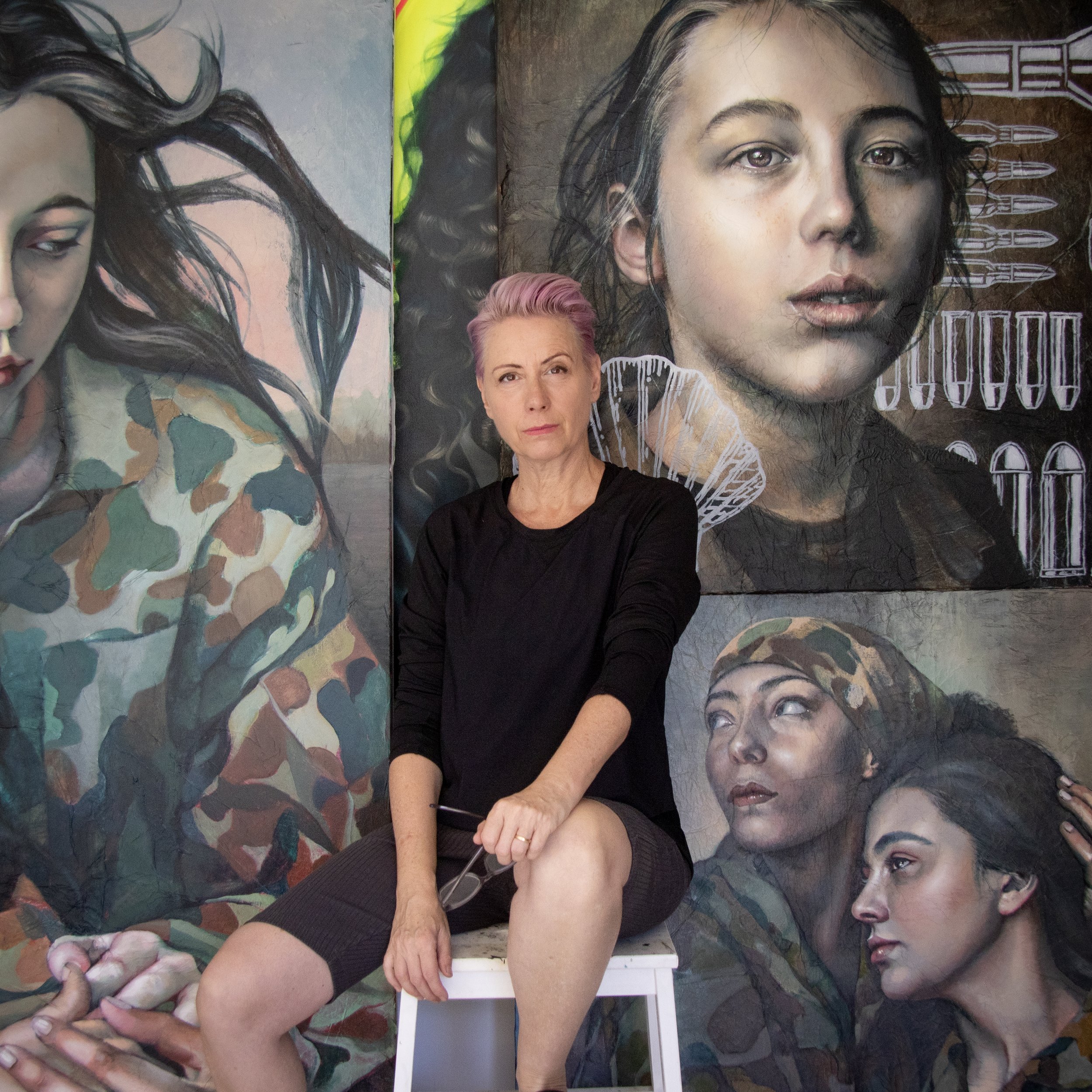
Kathrin Longhurst, born in East Berlin in 1971, is a formidable presence in the contemporary art world, known for her high-realist, figurative paintings that challenge societal norms and advocate for female empowerment. Her unique artistic vision is deeply rooted in her formative years spent under the rigid ideals of a totalitarian regime in East Germany, an experience that profoundly shaped her commitment to social justice and freedom of speech.
From East Berlin to Artistic Freedom
Longhurst's early life was marked by the pervasive surveillance and mistrust characteristic of the German Democratic Republic (GDR). At the age of 15, she and her family made a pivotal escape to Sweden, a seismic shift that ignited her passion for self-expression and the reclamation of identity . This displacement, coupled with extensive travels across Europe and Asia, provided her with a profound understanding of human rights issues and the complex role of women in society. She eventually settled in Australia in 2000, where her artistic career flourished.
Artistic Style and Thematic Depth
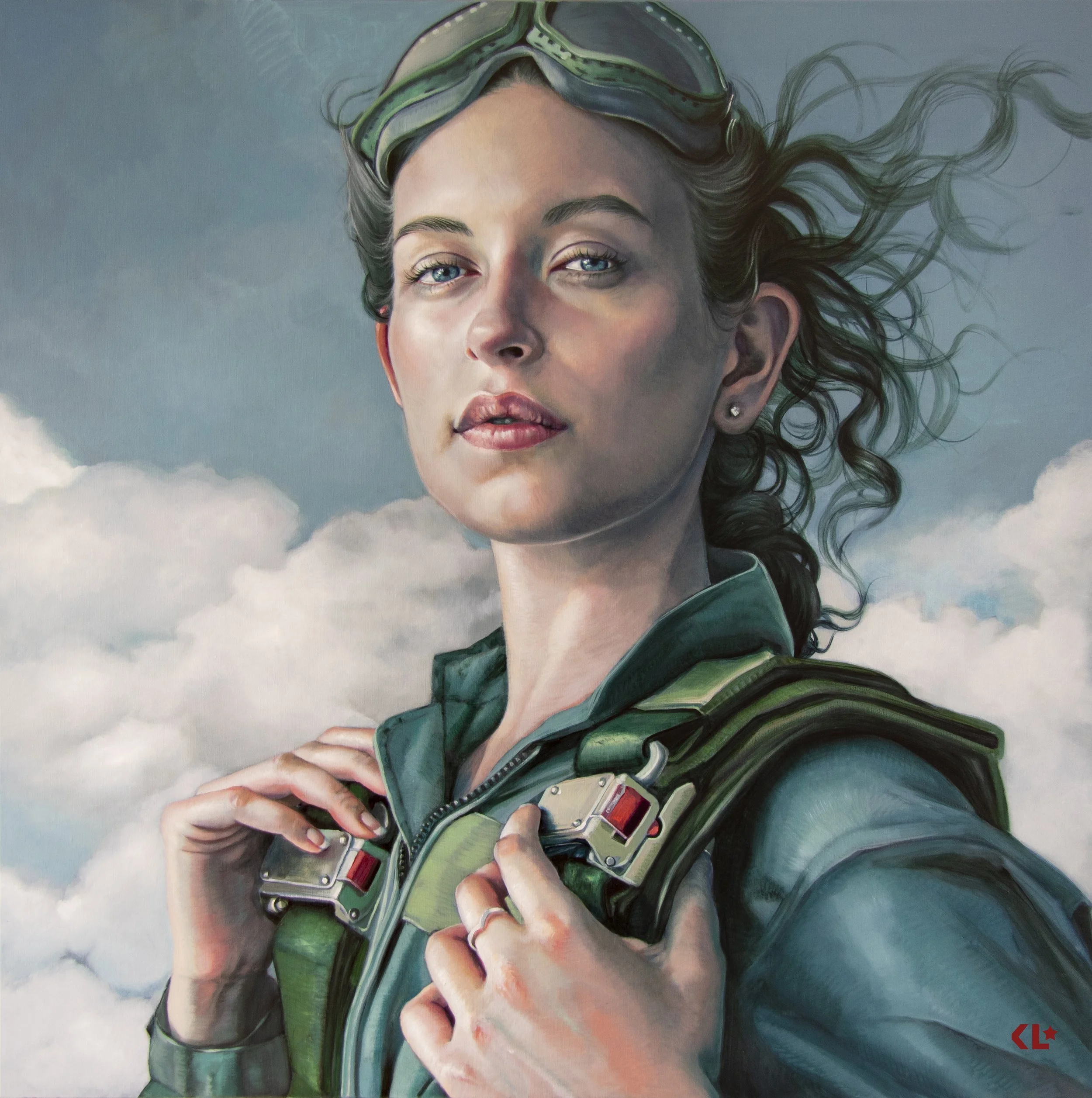
Longhurst's artistic style is a compelling fusion of classical realism and historical ephemera. Her canvases predominantly feature female subjects, depicted with a striking blend of strength and vulnerability. These figures, often described as "statuesque yet layered with emotional depth," embody resilience and actively challenge conventional ideals of femininity.
A central theme in Longhurst's work is the reinterpretation of propaganda. She deliberately draws from vintage propaganda, particularly Soviet and communist imagery, reframing these historically male-dominated visual languages into bold feminist statements. As she states, "Propaganda is all around us. It’s not specific to a period of time, a country or a regime…it’s everywhere" . This ingrained awareness of political conditioning drives her passion to use art as a tool to question, challenge, and reinvent contemporary ethics and values.
Her paintings often incorporate symbolic elements such as Soviet Constructivist fabric designs from the 1920s and 30s, 1970s velour wallpaper reminiscent of her childhood home, and allusions to official portraits of party dignitaries. These visual cues serve to contextualize her "war heroines"—figures who reclaim their gaze and resist objectification.
The Symbolism of the 'Pilot Girl'
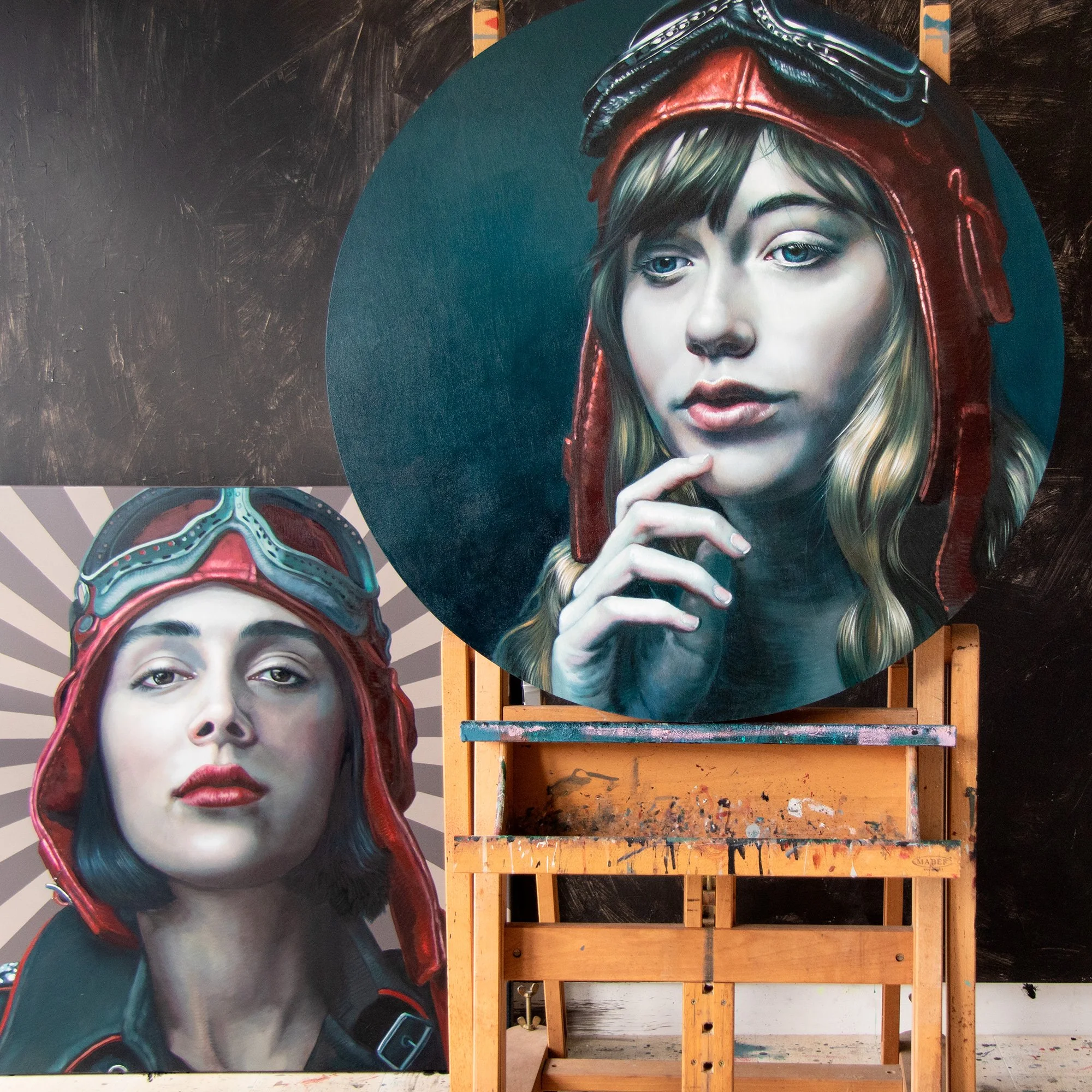
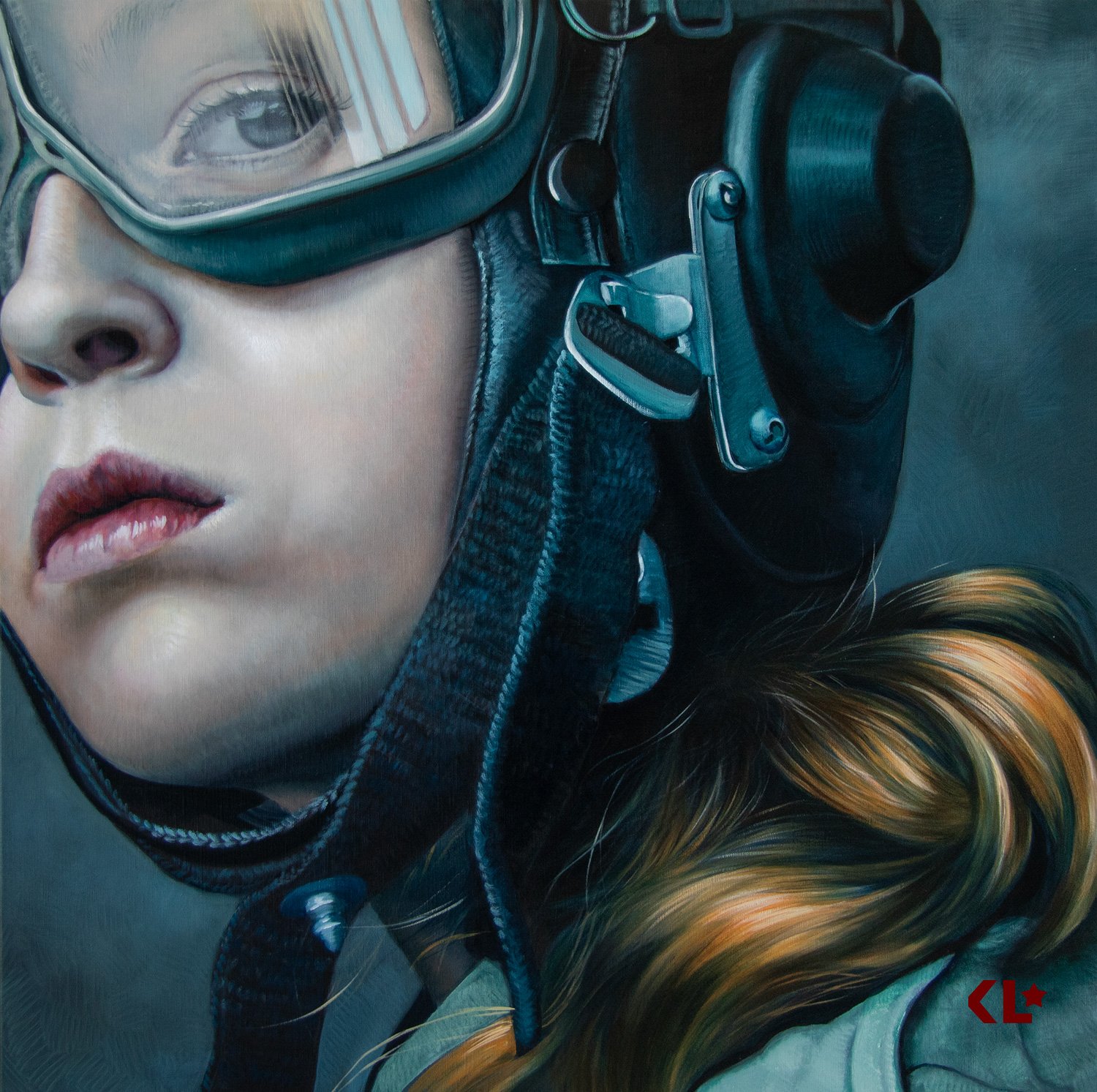
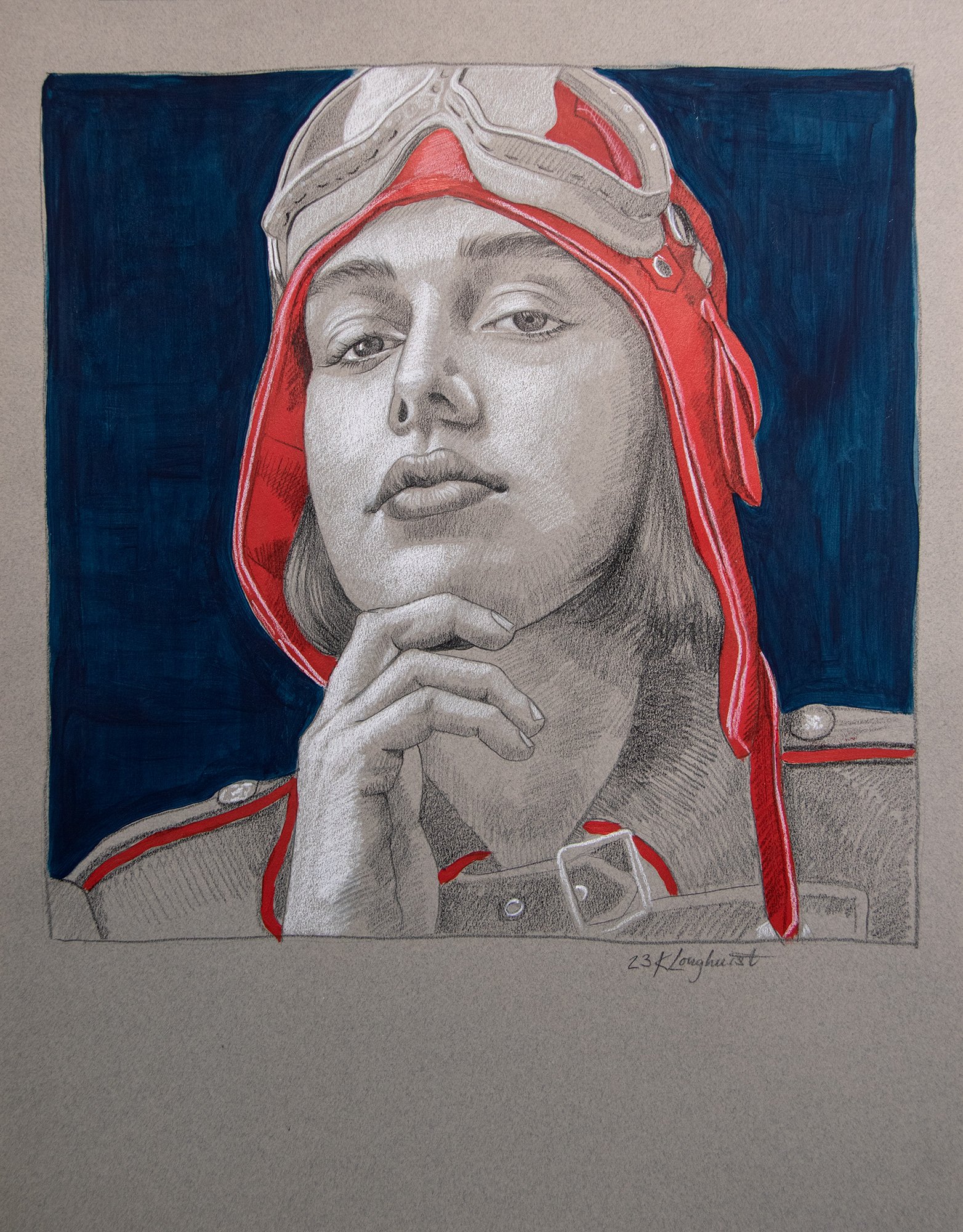
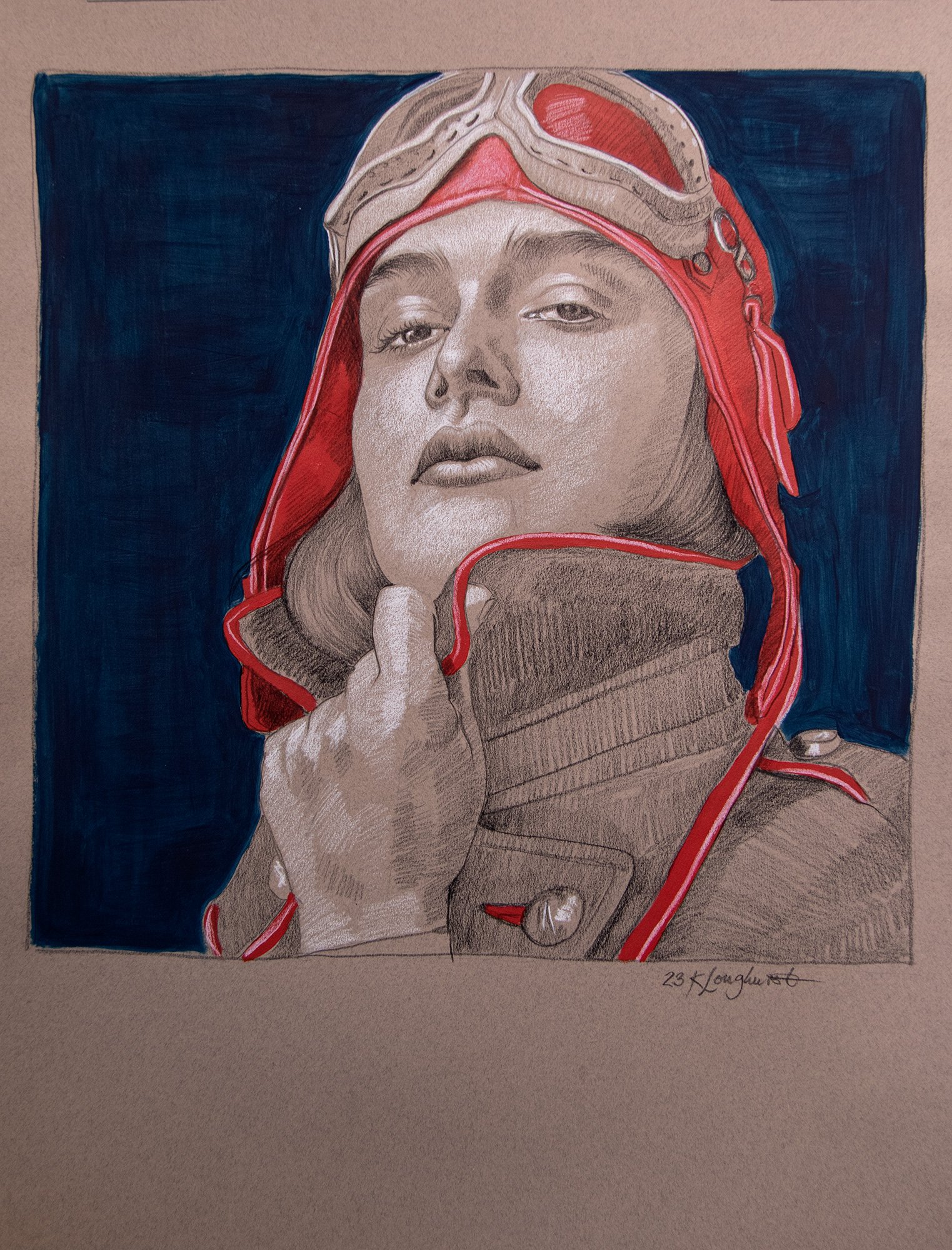
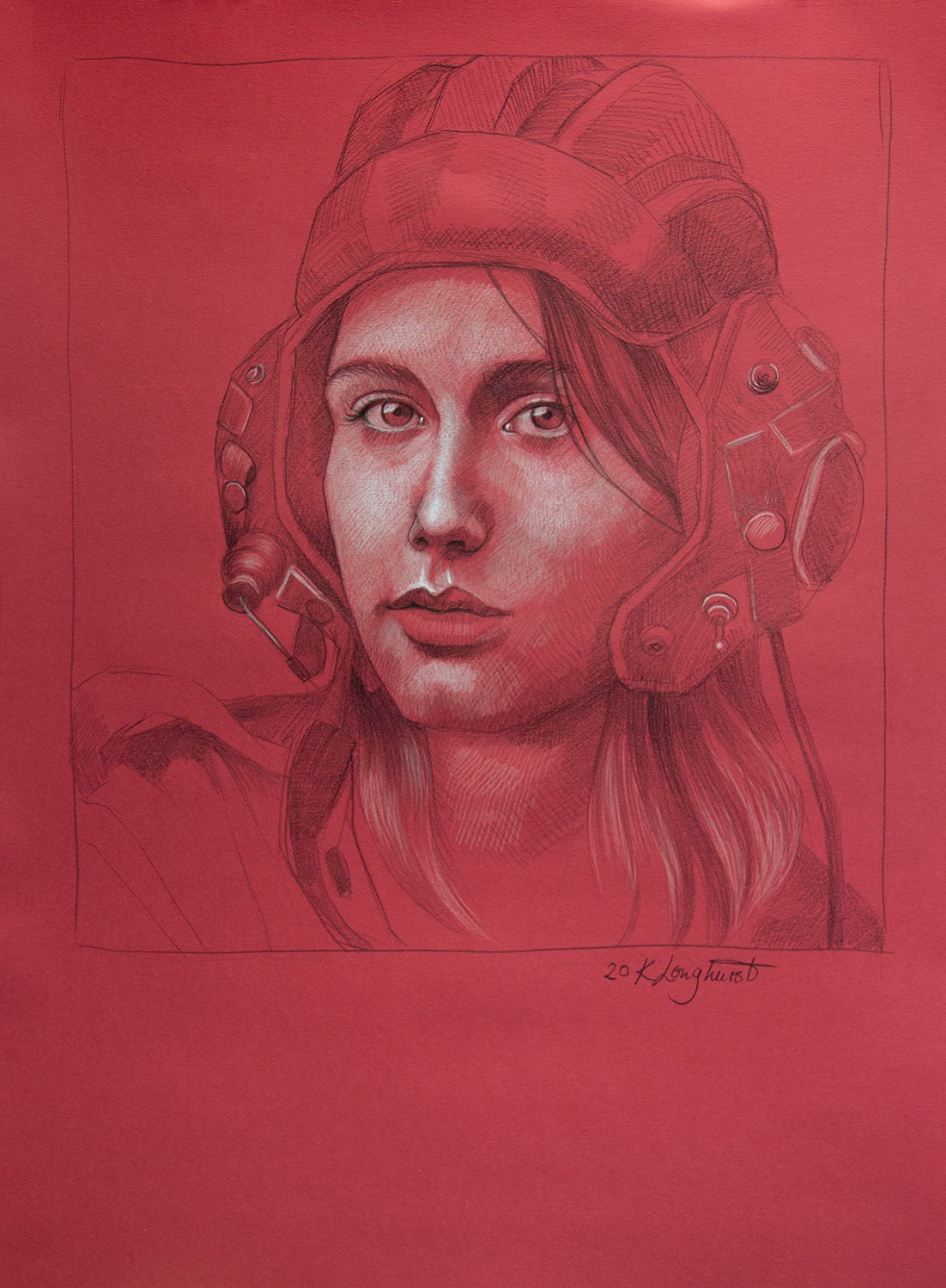
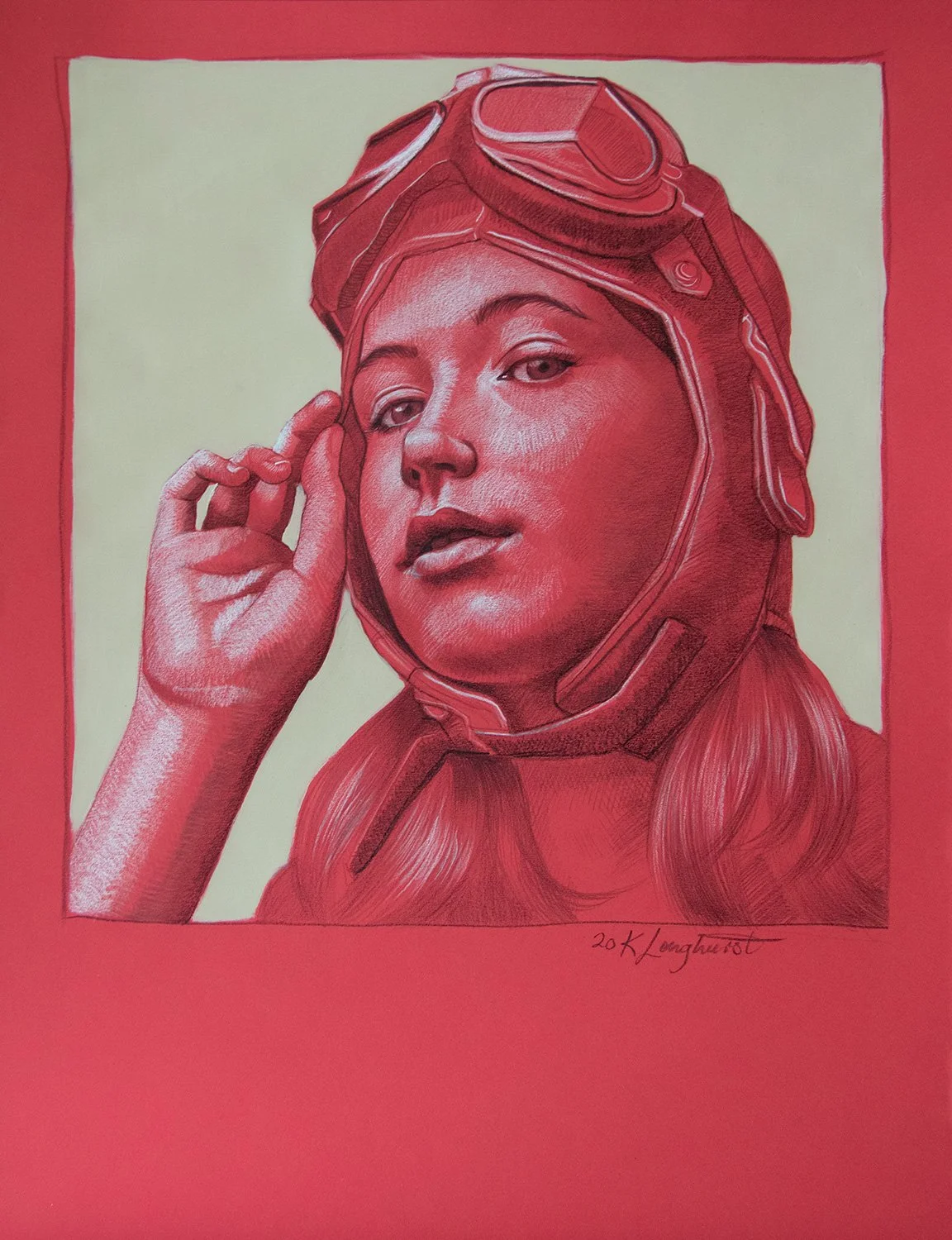
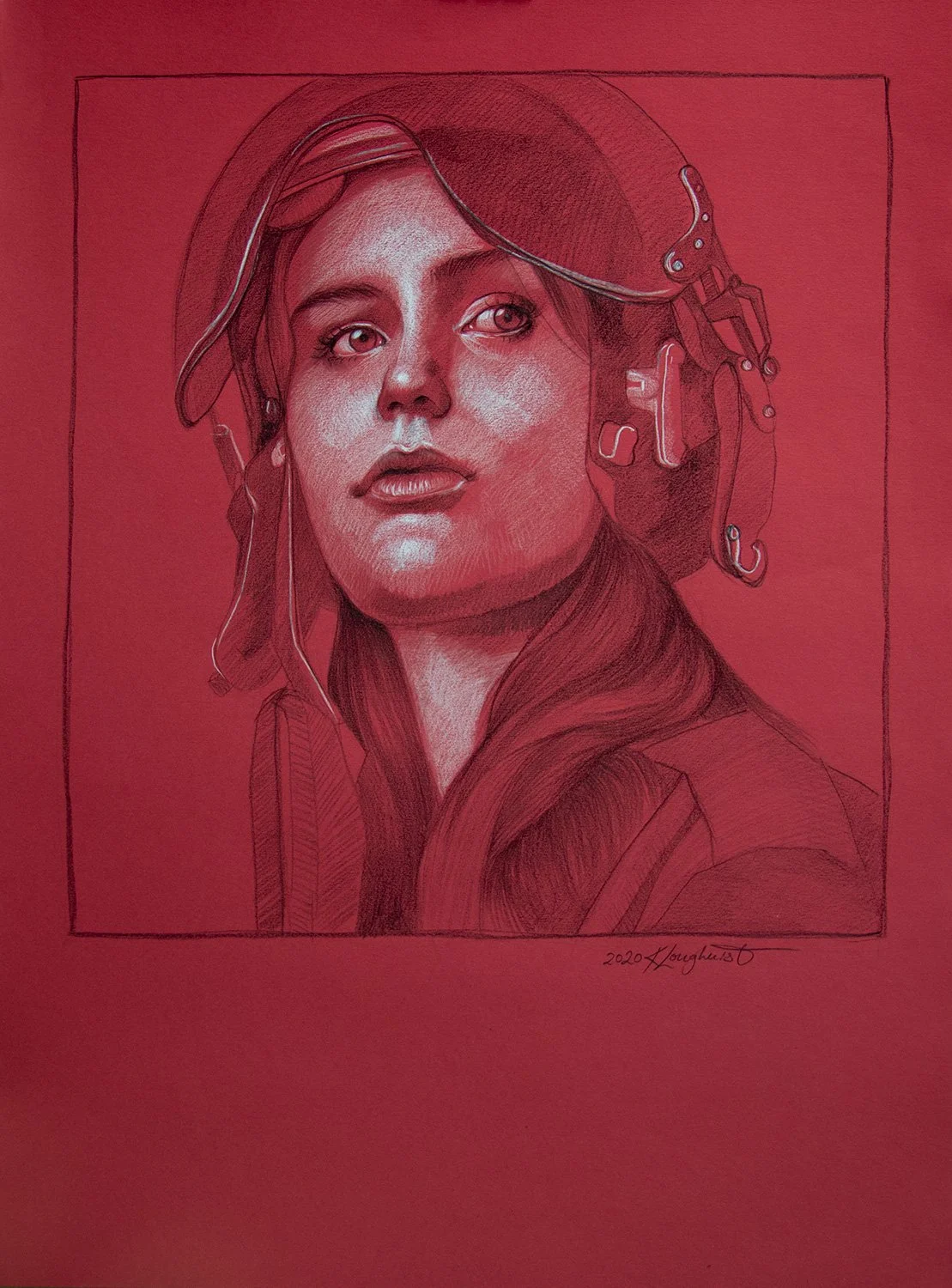
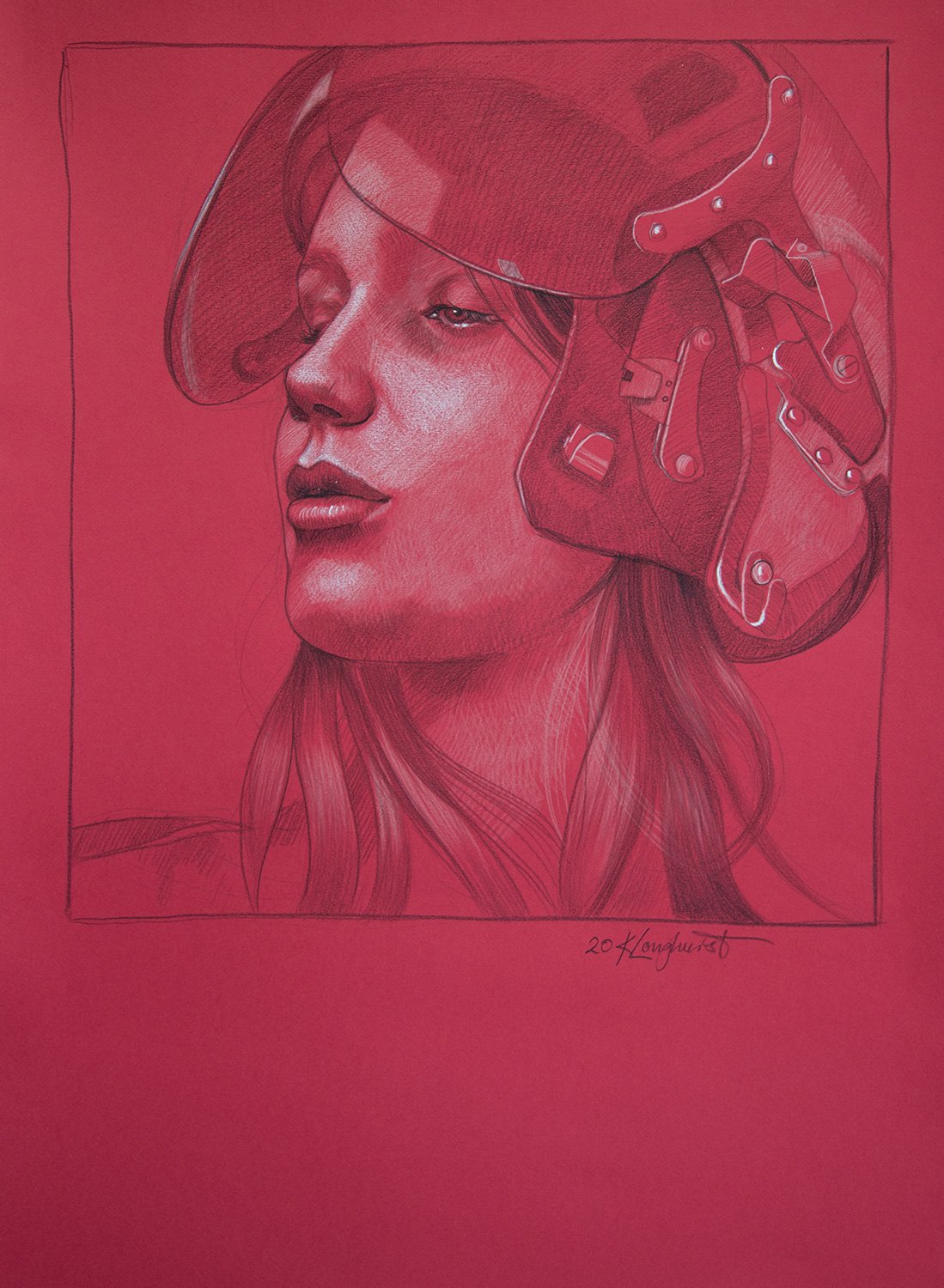
A recurring and powerful motif in Longhurst's oeuvre is the "pilot girl." This figure symbolizes modern women as "freedom fighters, daredevils and rebels," with the act of flying representing pioneering, exploration, and a transcendence of earthly concerns . In her more recent works, the pilot girl is often depicted falling or floating, a visual metaphor for navigating a "highly volatile world" and the necessity of a "leap of faith". Longhurst also employs raw backgrounds and soft, earthy tones to symbolize loss, sacrifice, and the inherent fragility of the human spirit .
Notable Works and Exhibitions
Longhurst's impactful work has been showcased in numerous solo and group exhibitions worldwide. Her exhibition "The Coldest War" (2025) delves into contemporary political tensions through the lens of her East German childhood, reflecting on the trauma of living in a surveillance state .
She has also gained significant recognition through prestigious art prizes. She has been a finalist in the renowned Archibald Prize multiple times (2018, 2021, 2022), notably winning the Packing Room Prize in 2021 for her portrait of singer Kate Ceberano, titled "Kate" . Other significant recognitions include The Darling Prize (2020) and numerous finalist selections in the Portia Geach Memorial Prize, where she won the People's Choice Prize in 2017 .
Her work is held in prominent collections, including Macquarie University, Manly Art Gallery and Museum, Mirvac, and the esteemed Bennett Collection of Female Figurative Artists .
Advocacy Beyond the Canvas
Beyond her studio practice, Longhurst is a committed feminist and activist. She actively supports displaced peoples and refugees, striving to amplify women's stories of resilience and strength. Her project "Settled / Unsettled" is a touring exhibition that gives voice to women from marginalized communities through large-scale portraits, aiming to exhibit them in non-commercial settings to reach a wider audience .
Kathrin Longhurst's art is a powerful dialogue between past and present, personal history and universal themes. Through her unflinching gaze and masterful technique, she invites viewers to confront inherited ideologies and envision a world defined by equality, strength, and individuality.