Art Collection, ART COLLECTOR, Artist, Arts, Collecting Art, Contemporary Art, Contemporary Figurative, Figurative, Figurative Art, Museum Didi Menendez 4/4/26 Art Collection, ART COLLECTOR, Artist, Arts, Collecting Art, Contemporary Art, Contemporary Figurative, Figurative, Figurative Art, Museum Didi Menendez 4/4/26 Exploring the "ICONIC" Exhibition: 10 Contemporary Artists You Need to Know Read More ART COLLECTOR, Arts, Artist, Collecting Art, Contemporary Art, Contemporary Figurative, Figurative Art, Oil Painting, Painting, Press Didi Menendez 4/4/26 ART COLLECTOR, Arts, Artist, Collecting Art, Contemporary Art, Contemporary Figurative, Figurative Art, Oil Painting, Painting, Press Didi Menendez 4/4/26 Los Ojos Que Ven": A Solo Exhibition by Sara Scribner Read More Didi Menendez 3/23/26 Didi Menendez 3/23/26 Why do the artists do what they do? | F. Scott Hess Read More Art Review, Artist, Contemporary Figurative, Figurative, Figurative Art Didi Menendez 3/20/26 Art Review, Artist, Contemporary Figurative, Figurative, Figurative Art Didi Menendez 3/20/26 Moments of Gesture | Nanette Fluhr Read More Art Review, Arts, Artist, Painting Didi Menendez 3/19/26 Art Review, Arts, Artist, Painting Didi Menendez 3/19/26 More Notes on Moments of Gesture Read More Newer Posts Older Posts
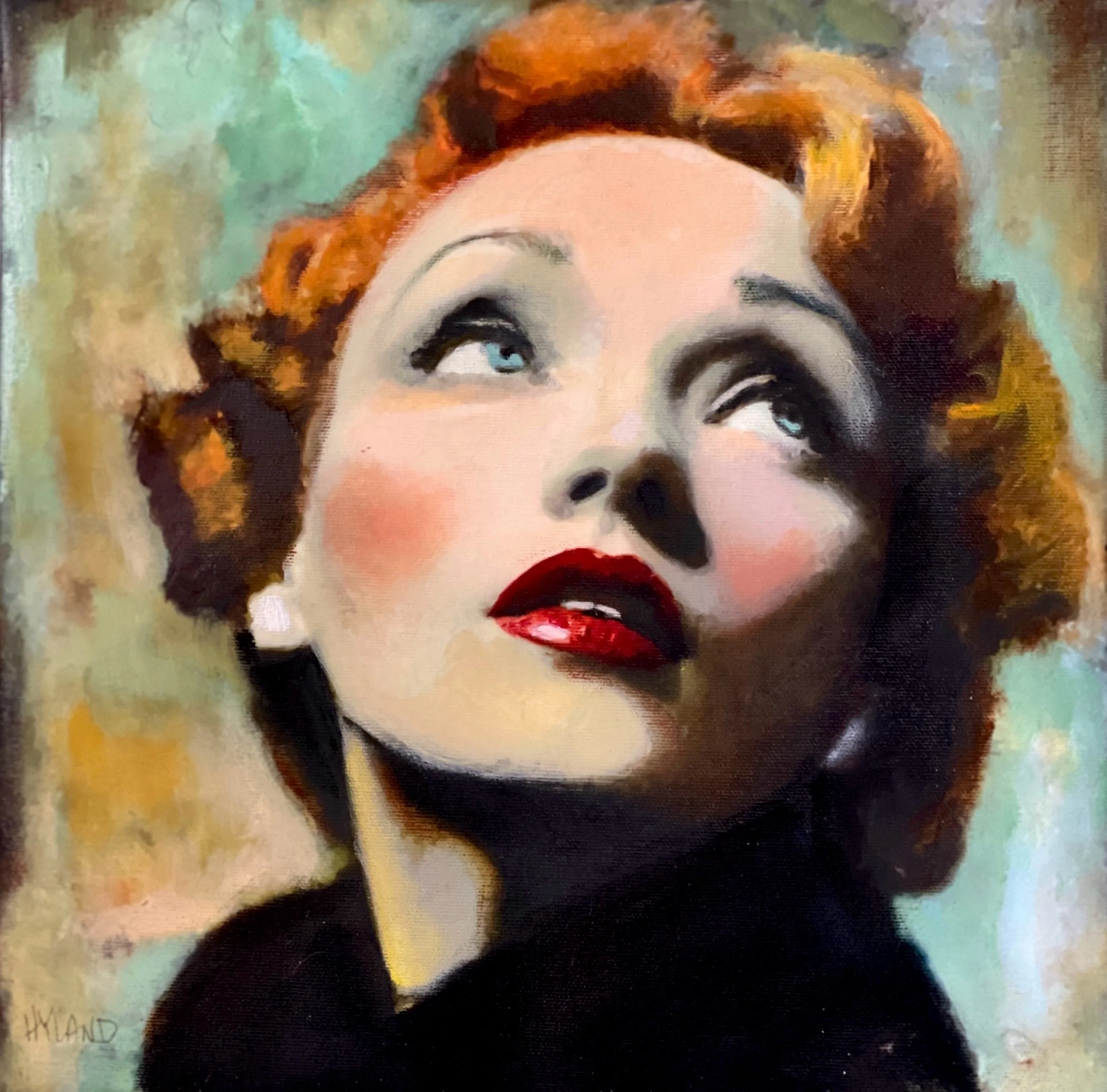
Art Collection, ART COLLECTOR, Artist, Arts, Collecting Art, Contemporary Art, Contemporary Figurative, Figurative, Figurative Art, Museum Didi Menendez 4/4/26 Art Collection, ART COLLECTOR, Artist, Arts, Collecting Art, Contemporary Art, Contemporary Figurative, Figurative, Figurative Art, Museum Didi Menendez 4/4/26 Exploring the "ICONIC" Exhibition: 10 Contemporary Artists You Need to Know Read More
ART COLLECTOR, Arts, Artist, Collecting Art, Contemporary Art, Contemporary Figurative, Figurative Art, Oil Painting, Painting, Press Didi Menendez 4/4/26 ART COLLECTOR, Arts, Artist, Collecting Art, Contemporary Art, Contemporary Figurative, Figurative Art, Oil Painting, Painting, Press Didi Menendez 4/4/26 Los Ojos Que Ven": A Solo Exhibition by Sara Scribner Read More
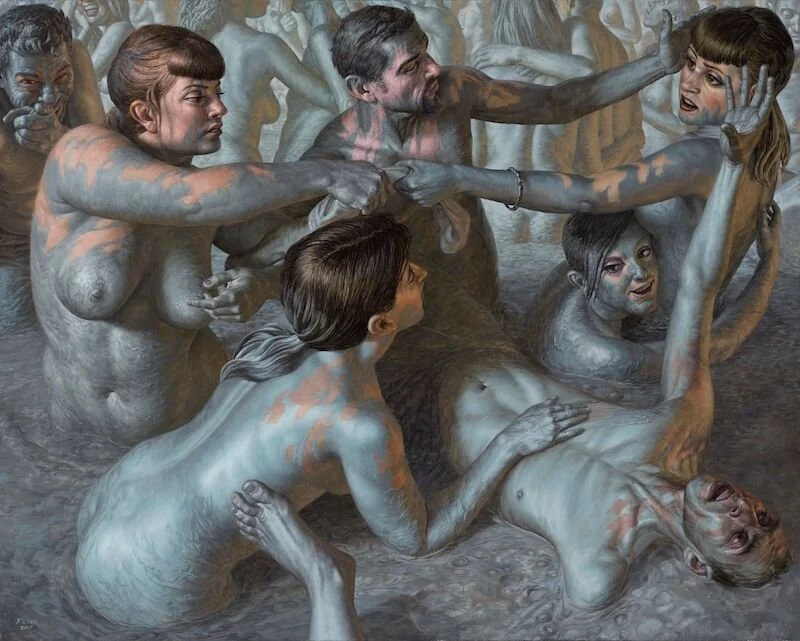
Didi Menendez 3/23/26 Didi Menendez 3/23/26 Why do the artists do what they do? | F. Scott Hess Read More
Art Review, Artist, Contemporary Figurative, Figurative, Figurative Art Didi Menendez 3/20/26 Art Review, Artist, Contemporary Figurative, Figurative, Figurative Art Didi Menendez 3/20/26 Moments of Gesture | Nanette Fluhr Read More
Art Review, Arts, Artist, Painting Didi Menendez 3/19/26 Art Review, Arts, Artist, Painting Didi Menendez 3/19/26 More Notes on Moments of Gesture Read More