5 Questions For Victor Gadino
Mythology, sex, religion, transition and camp can all be found in the art of Victor Gadino. He is a New Yorker now living and working in South Florida. He is an award winning artist and illustrator who holds an MFA from Pratt Institute. His dramatic figurative oil paintings and pencil drawings reimagine classical themes.
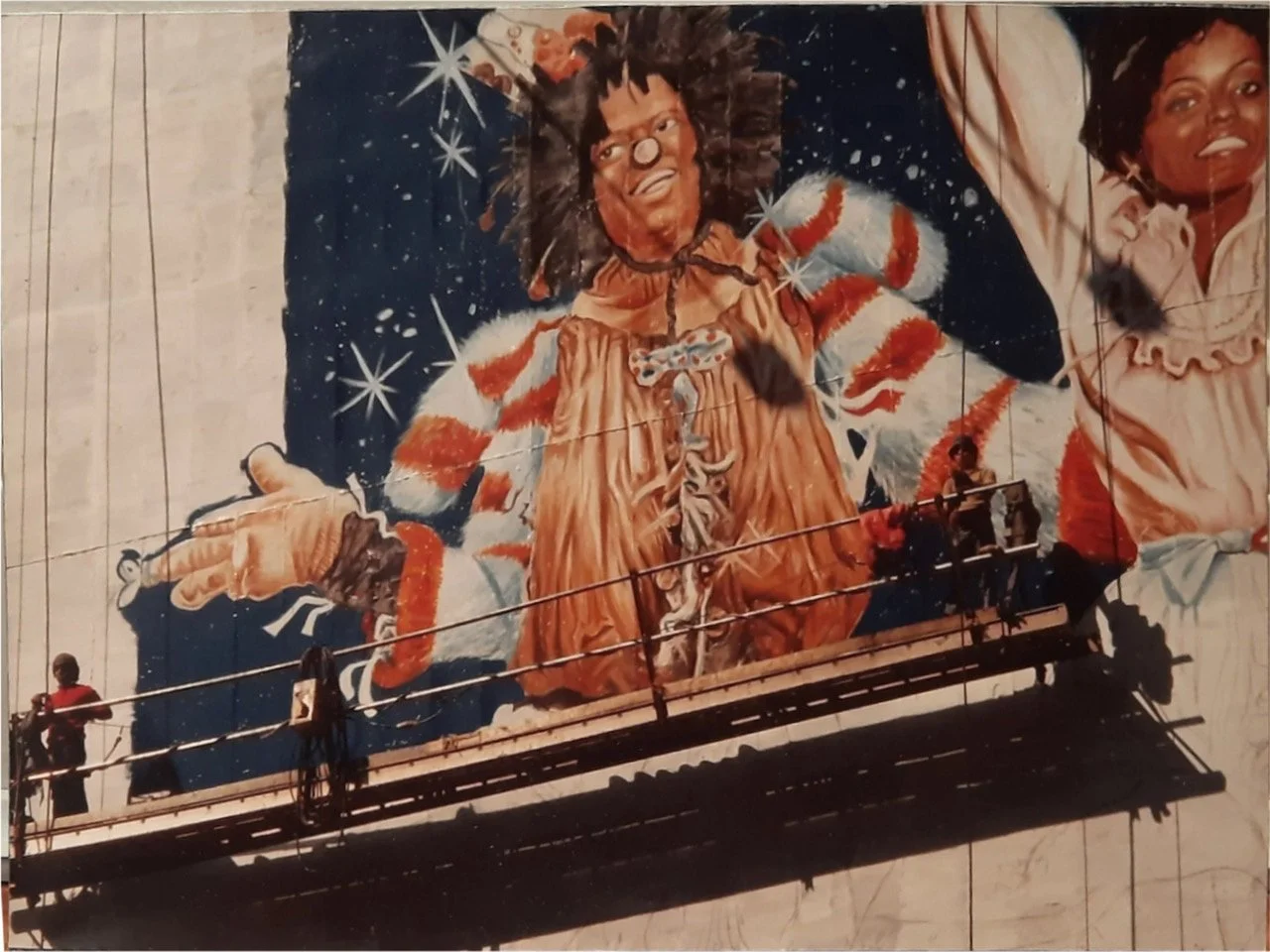
Installing The Wiz in Times Square
You were only 26 years old when you painted the poster for The Wiz. What was it like seeing your intricate artwork blown up to fill a massive, block-long billboard in Times Square?
I was just out of Pratt with an MFA and trying to be a freelance illustrator in NYC. It was 1975 and Richard Amsel’s poster for Lucky Lady was on the giant Times Square bill board that was 60 feet high and spanned from 44th to 45th street. It looked amazing and it seemed an unattainable dream to ever have my art displayed like that.
Just to have one's art used as a movie poster took a lot of talent and a good amount of luck. In those days the big studios would hire several NY ad agencies to create several pieces of finished art for each movie. And each ad agency usually would hire two or three artists to create concepts for one movie, giving the studios a big selection to choose from.
So three years later as a freelance illustrator with many movie concepts under my belt, I got the news that my art for The Wiz was going to be used to represent the movie and it was going to be painted on that giant bill board!
It was thrilling and those bill board painters were incredible. The giant blow up looked exactly as if I had painted it myself.
Very heady stuff for a little New Jersey boy from the projects.
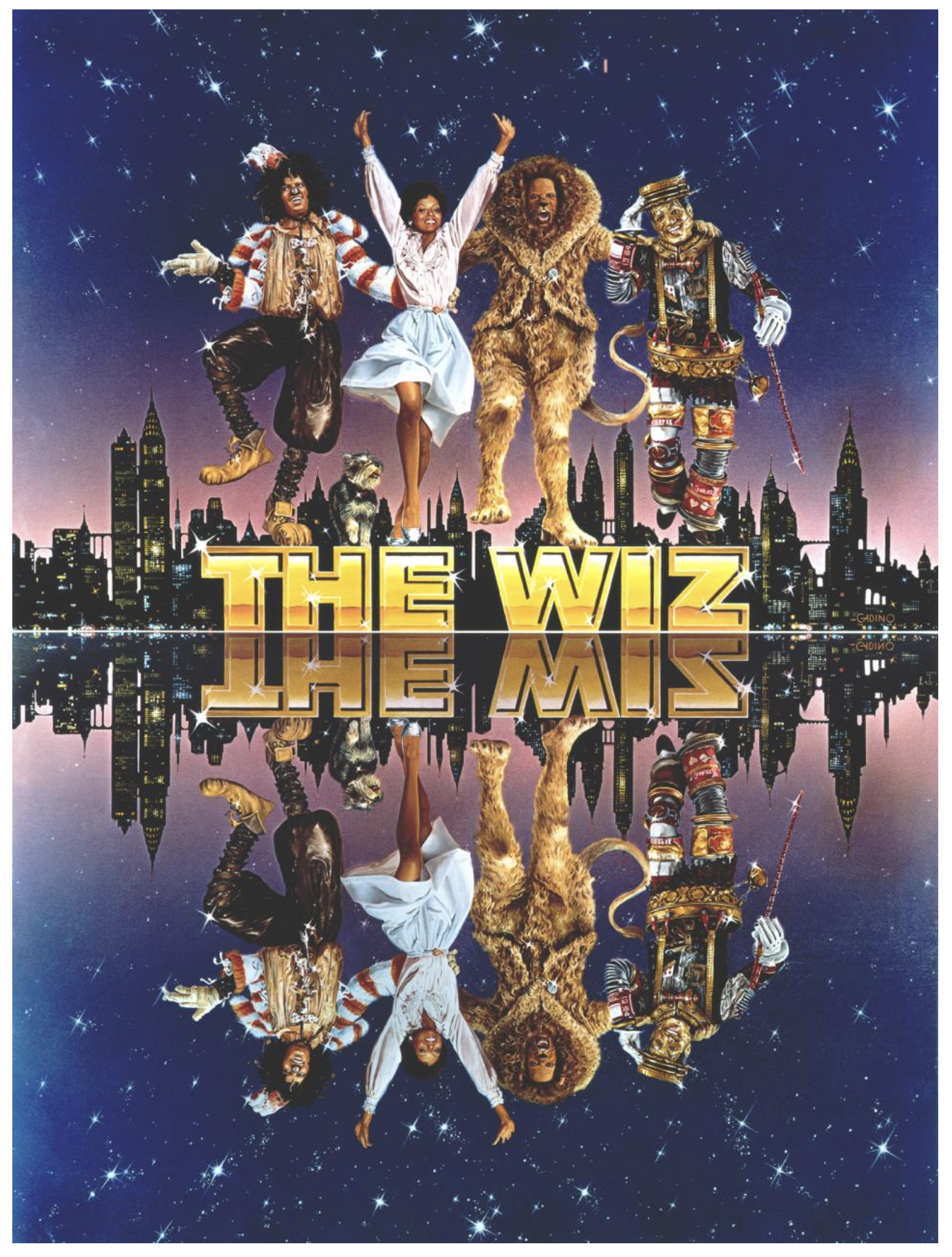
Victor Gadino’s movie poster for The Wiz starring Diana Ross.
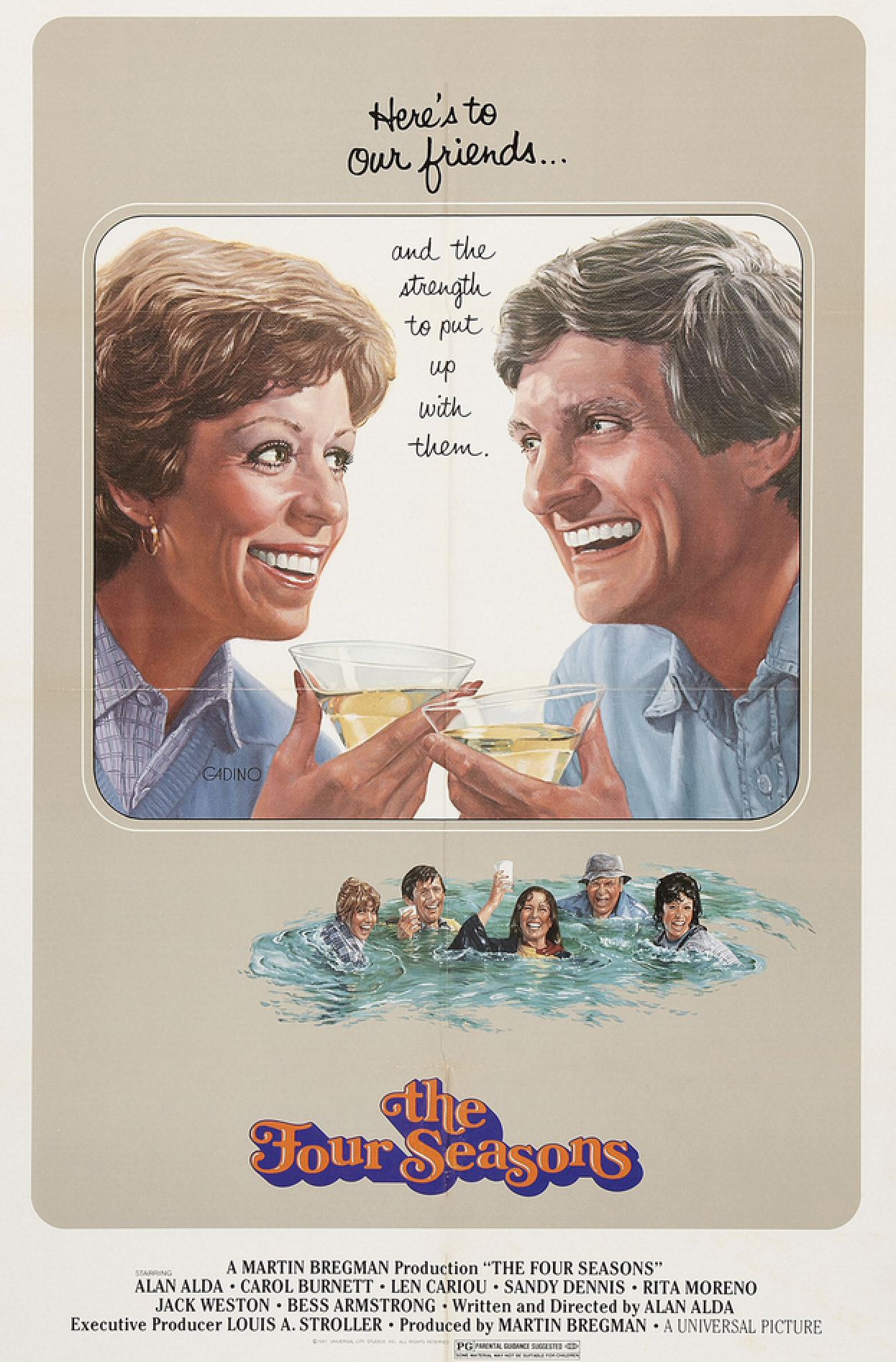
Before digital formatting took over, you had to distill an entire multi-million dollar theatrical feature (like Smokey and the Bandit or The Four Seasons) into a single static image. What was your methodology for capturing a film’s tone so precisely?
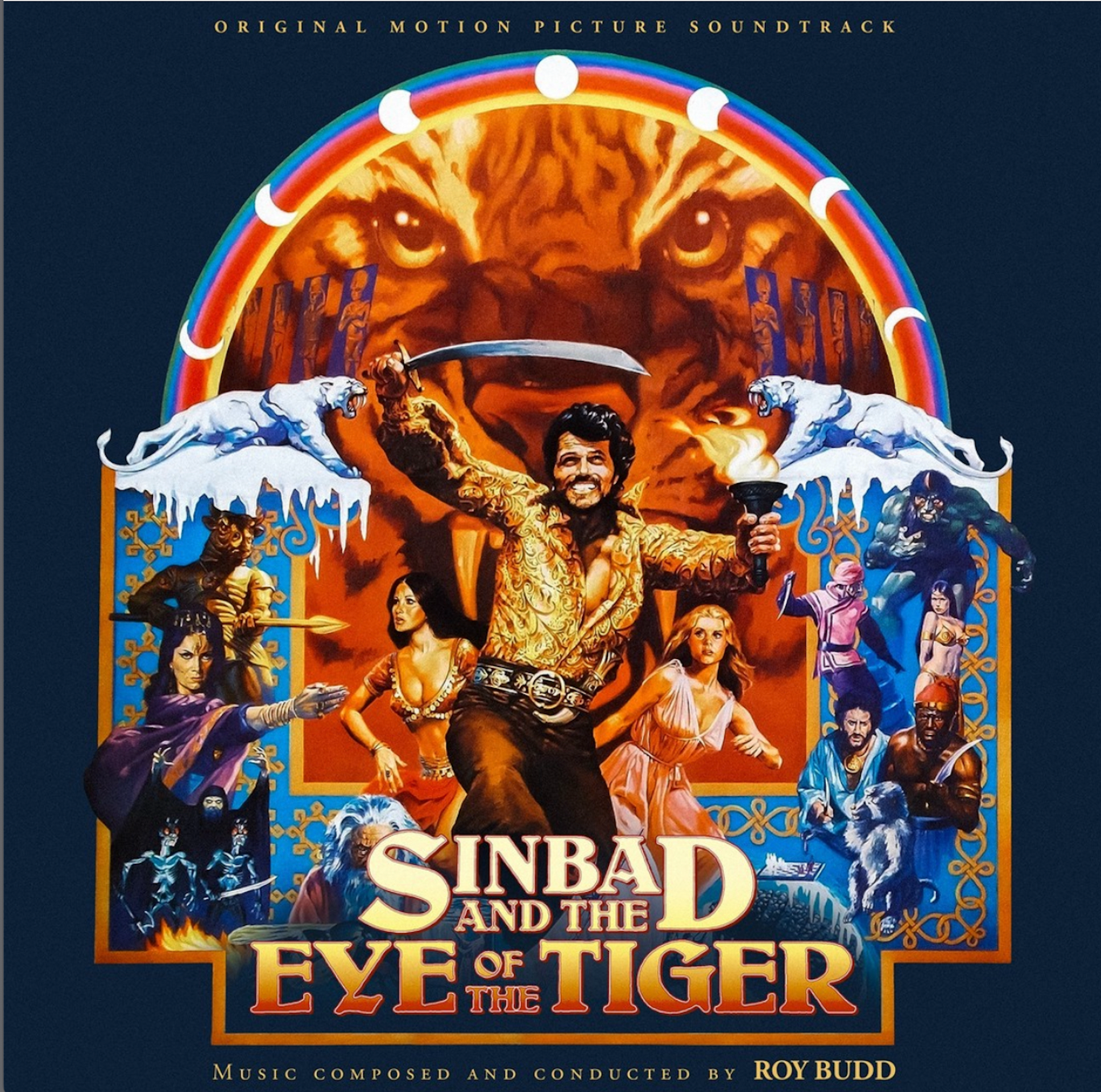
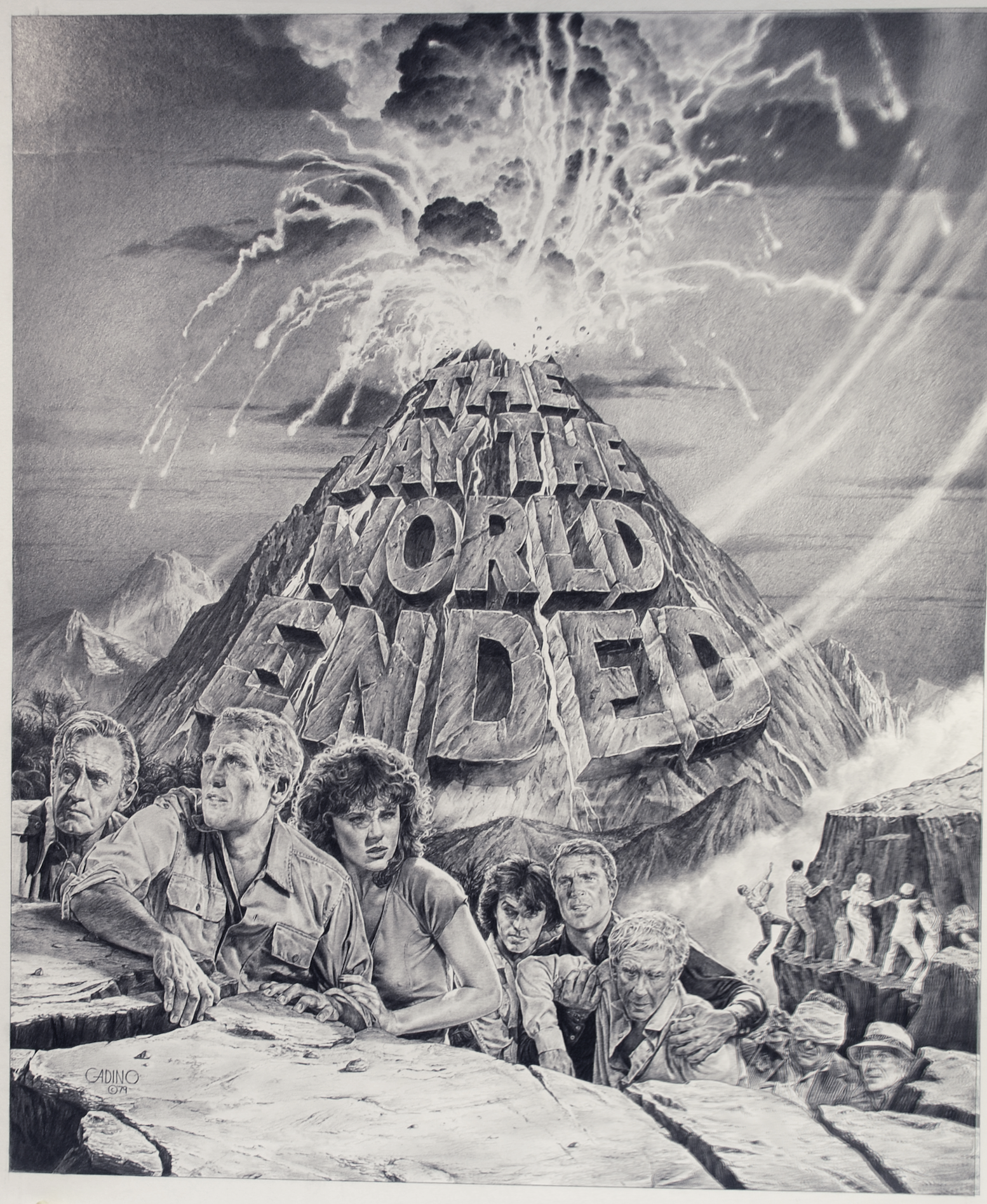
Each assignment was different. Some times the agency’s art director would just discuss an idea of what they wanted. Sometimes they would give a rough sketch as a guide . Other times they would hire another as artist to create a rough piece of art and bring me in to create the finished painting in oil. I always got to work from 8x10 stills taken during the movies production and created a detailed design in pencil first.
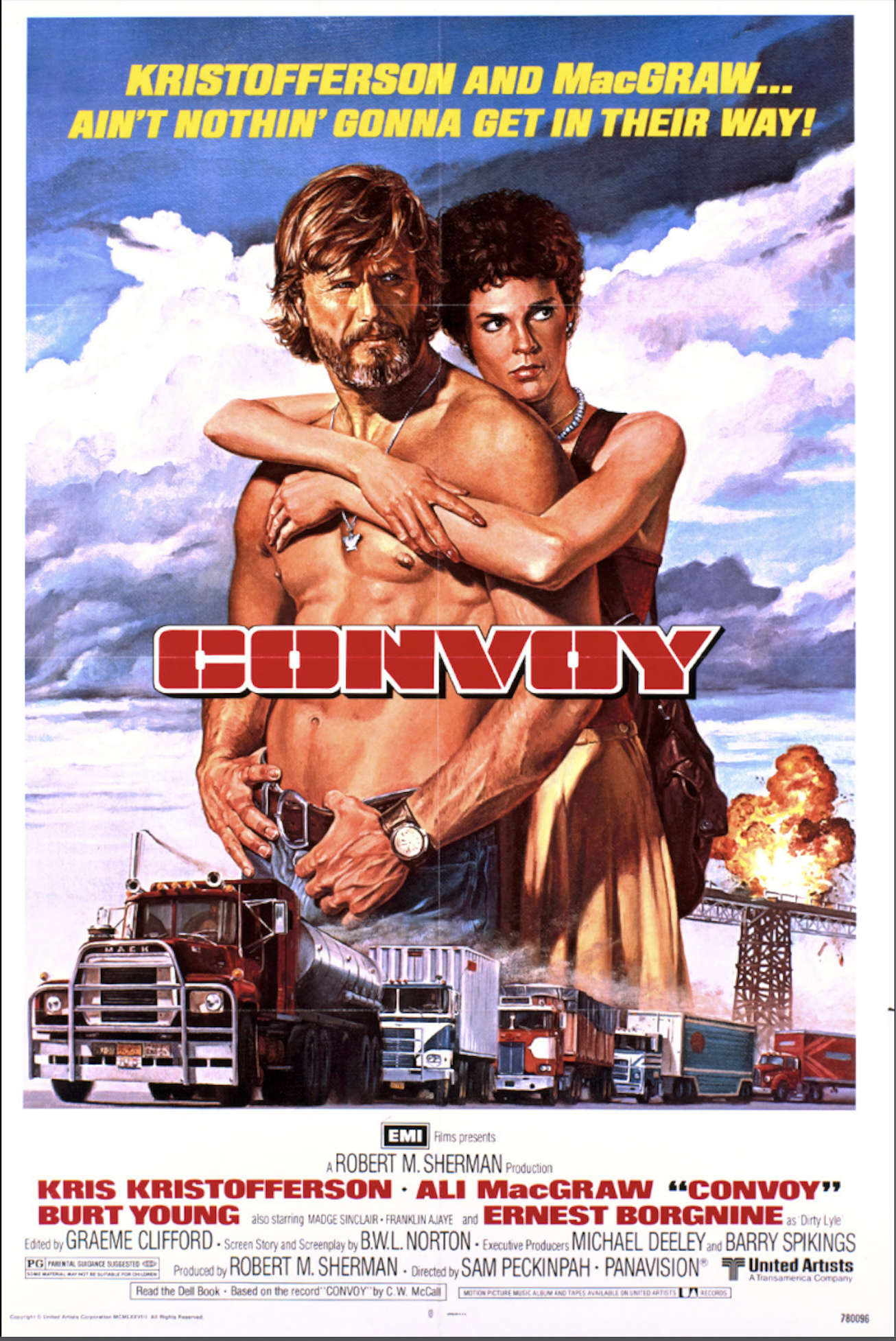
If there were no 8X10 from the production that I needed to complete a concept, I would shoot models to pose and then add the heads of the stars, like I did for Convoy.
For The Wiz I got to see a rough cut of the movie. For The Four Seasons they had me meet Alan Alda so that he could discuss his ideas first hand.
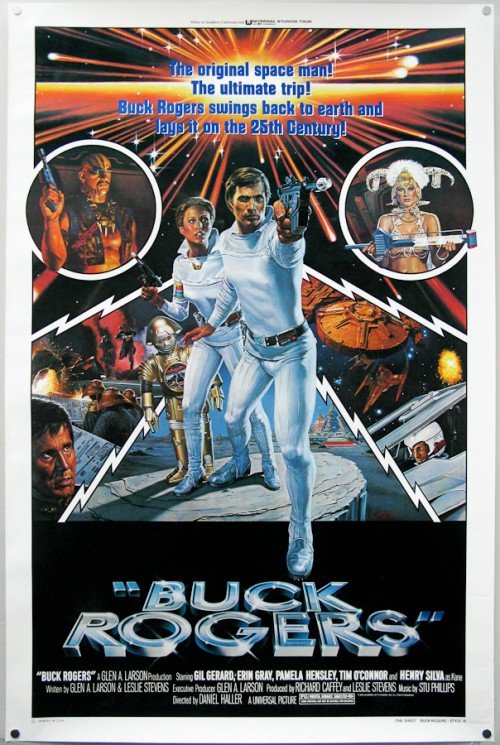
For Buck Rogers it was all me. I was told to “make it look like a comic book but better" and sent me home with a huge stack of color and black & white 8x10 stills from the movie. First I designed the poster in a detailed pencil sketch and got approval but 2 weeks later when I walked into his office with the finished painting, he didn’t say a word, he just grabbed me and kissed me! This from a man who gave out very few compliments.
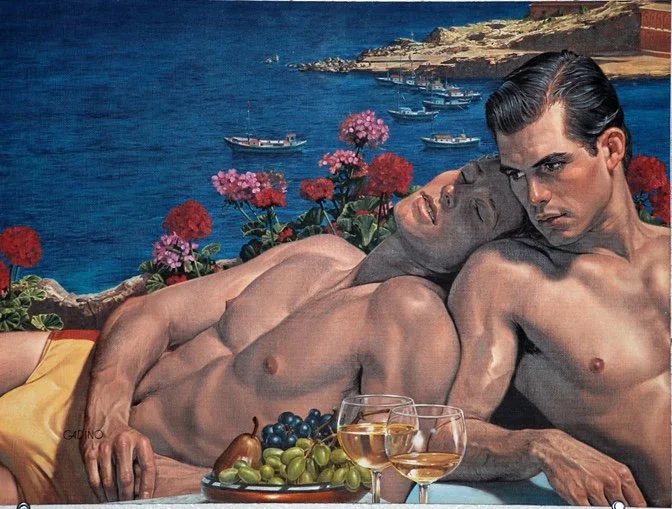
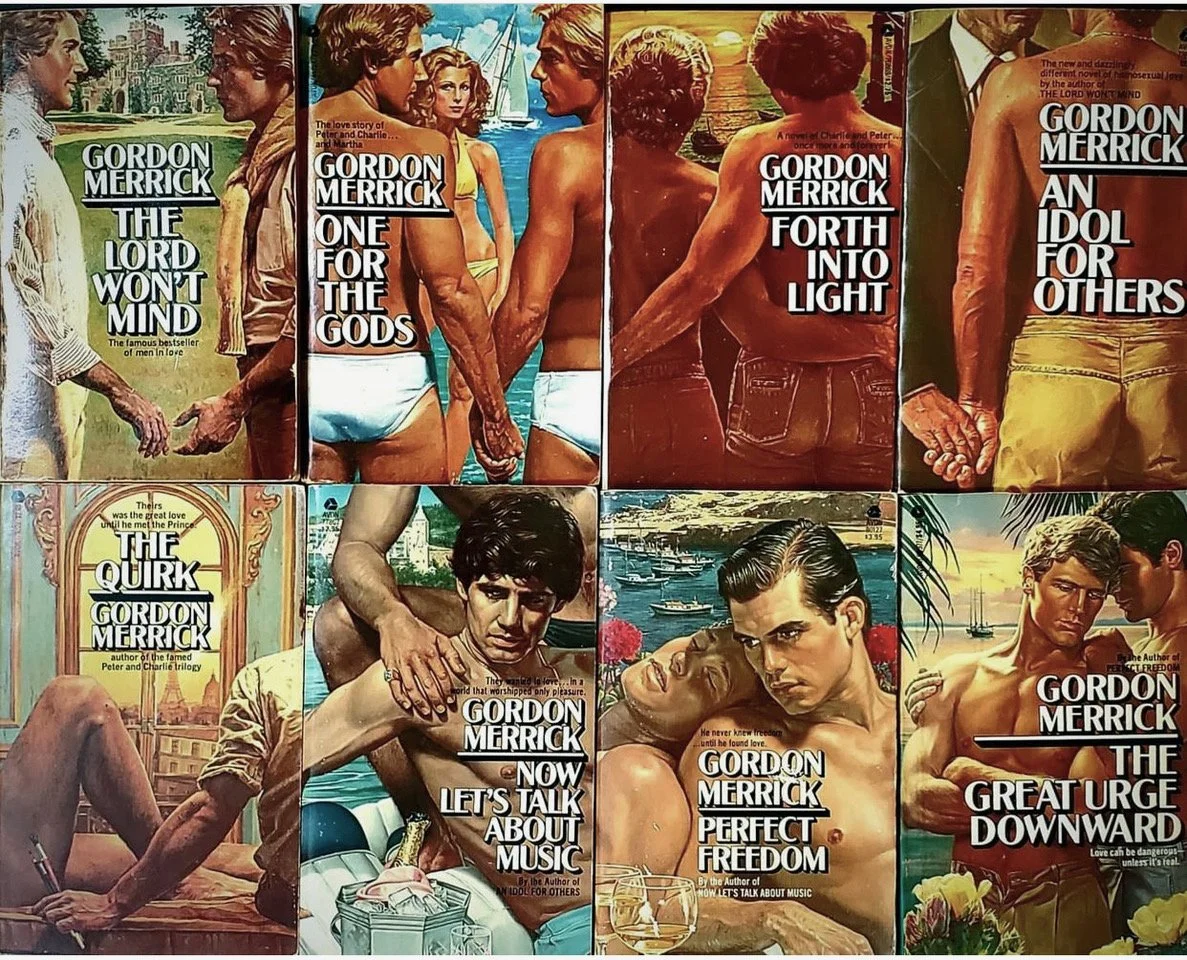
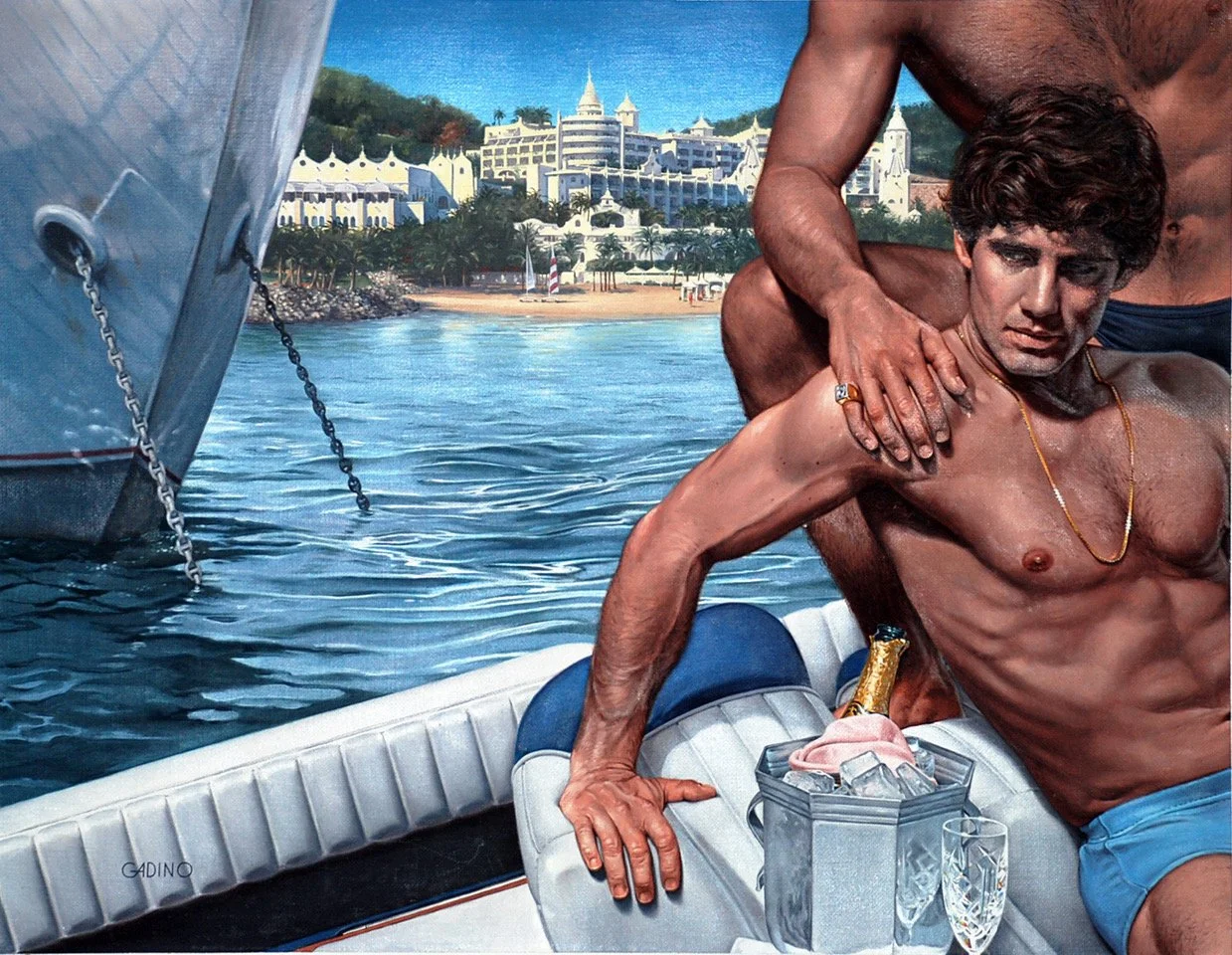
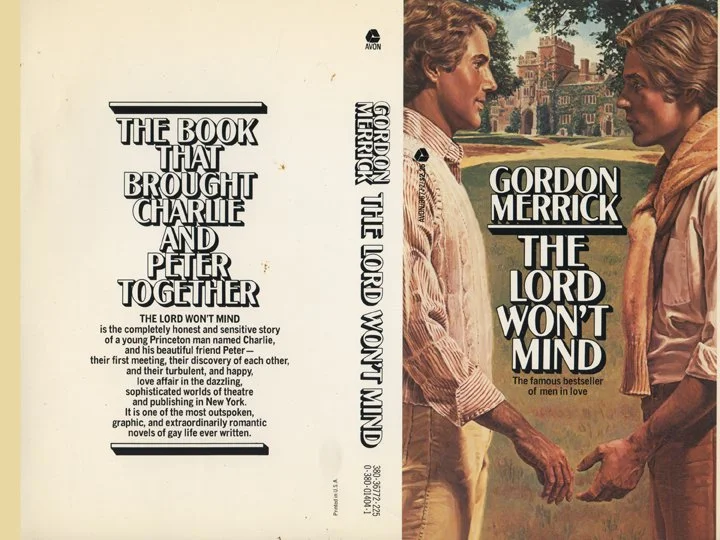
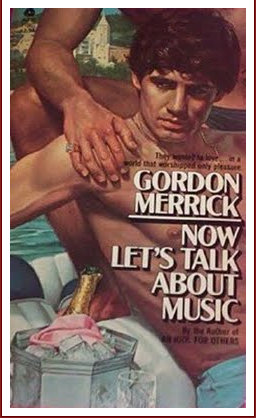
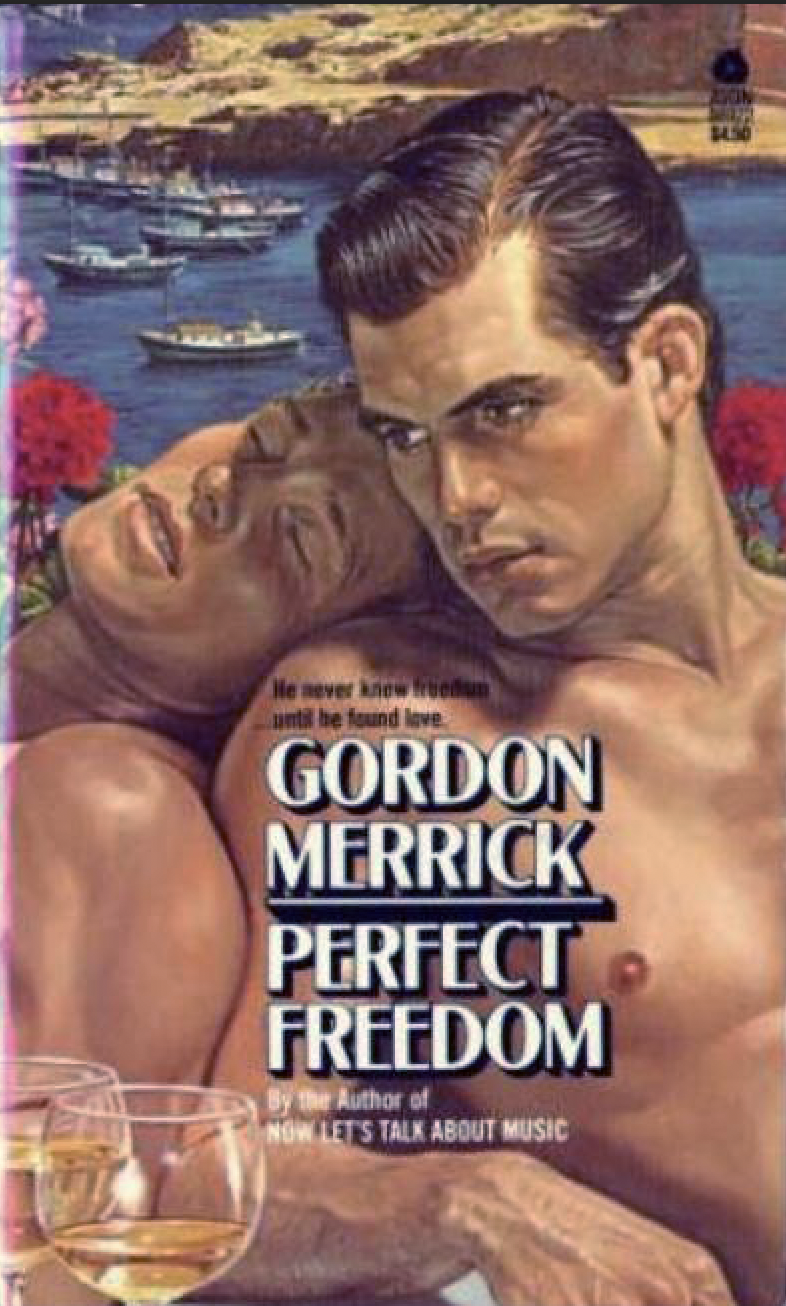
Your early covers for Gordon Merrick's novels—like An Idol for Others and The Lord Won't Mind—boldly brought gay sensuality out from "under the counter" and into mainstream retail. How aware were you at the time that you were creating a massive visual cultural shift for gay liberation?
You know I wish I could say I did, but I was very young and didn’t think about it. I did however remember having some trouble booking male models to pose for the photo shoots. Back then the models felt they had to appear straight in order to get bookings for editorial, ads or even fashion shows. Everyone was pretty closeted. I had to search for models who were confident with their masculinity, so most of the guys I used were actually straight as far as I know anyway.
It only hit me later when Harper Collins started getting fan male for the art. Many told touching stories about how important the books were to them as gay men. I even got one that was from a Catholic archbishop written on his letter head.! Wish I had saved that one.
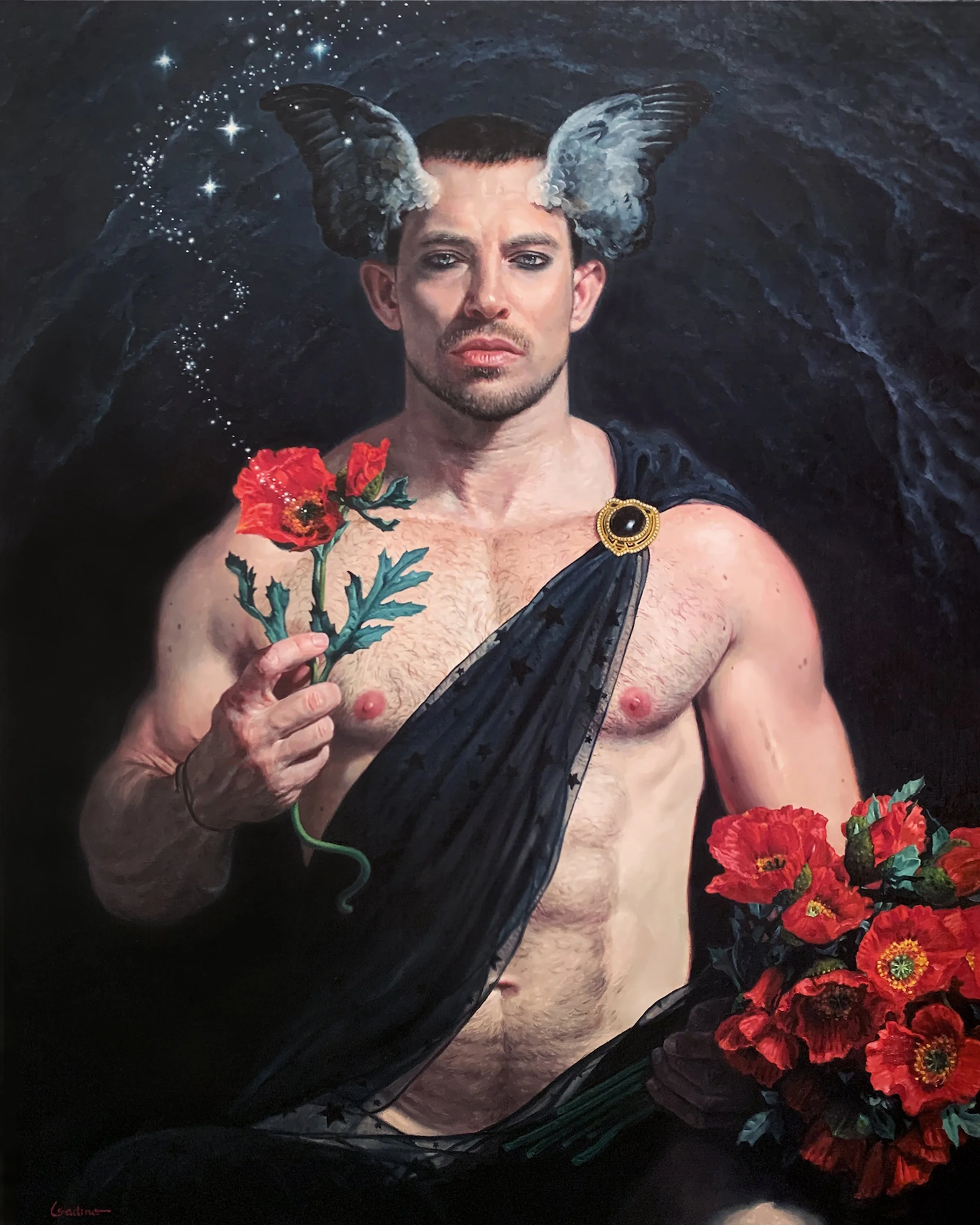
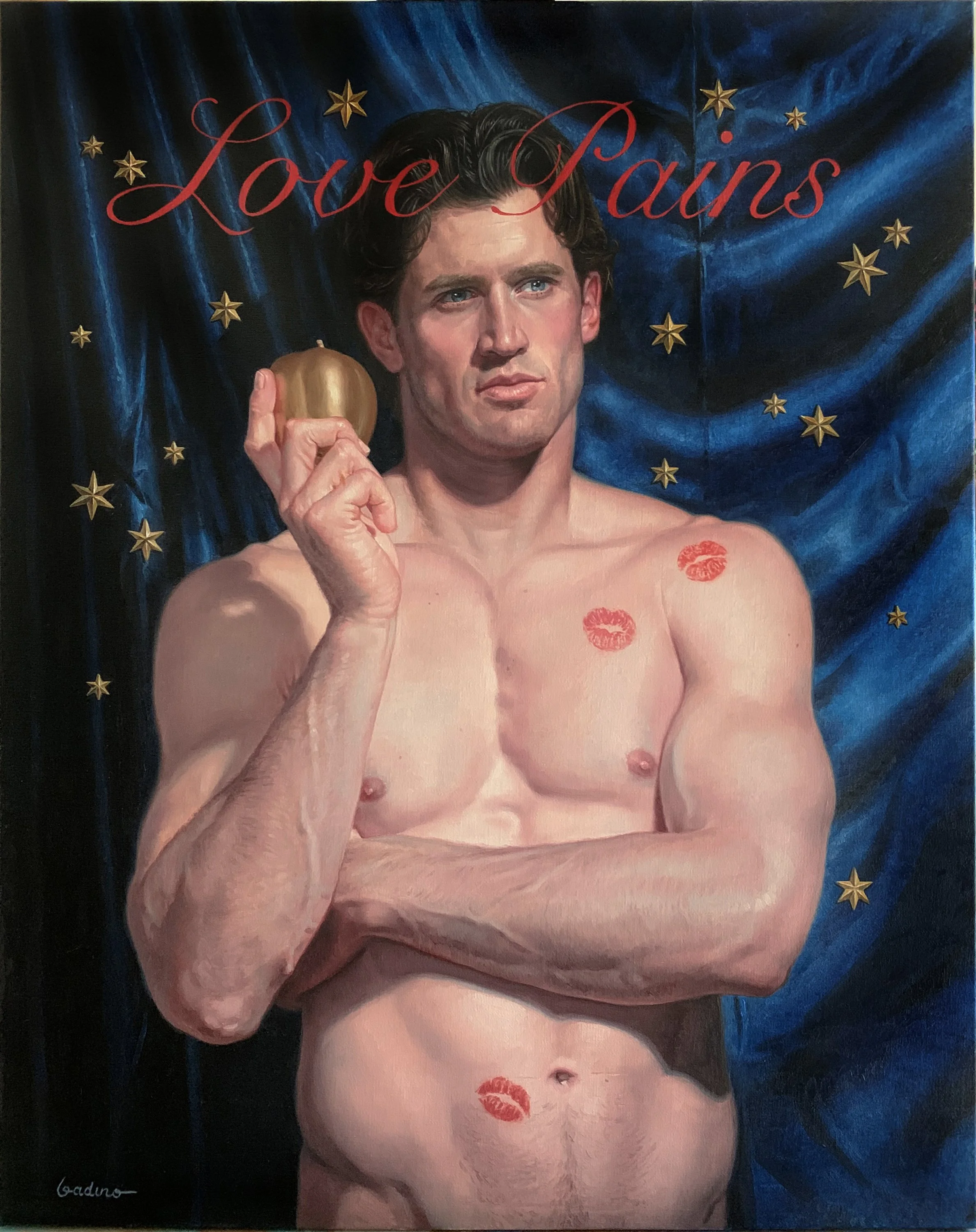
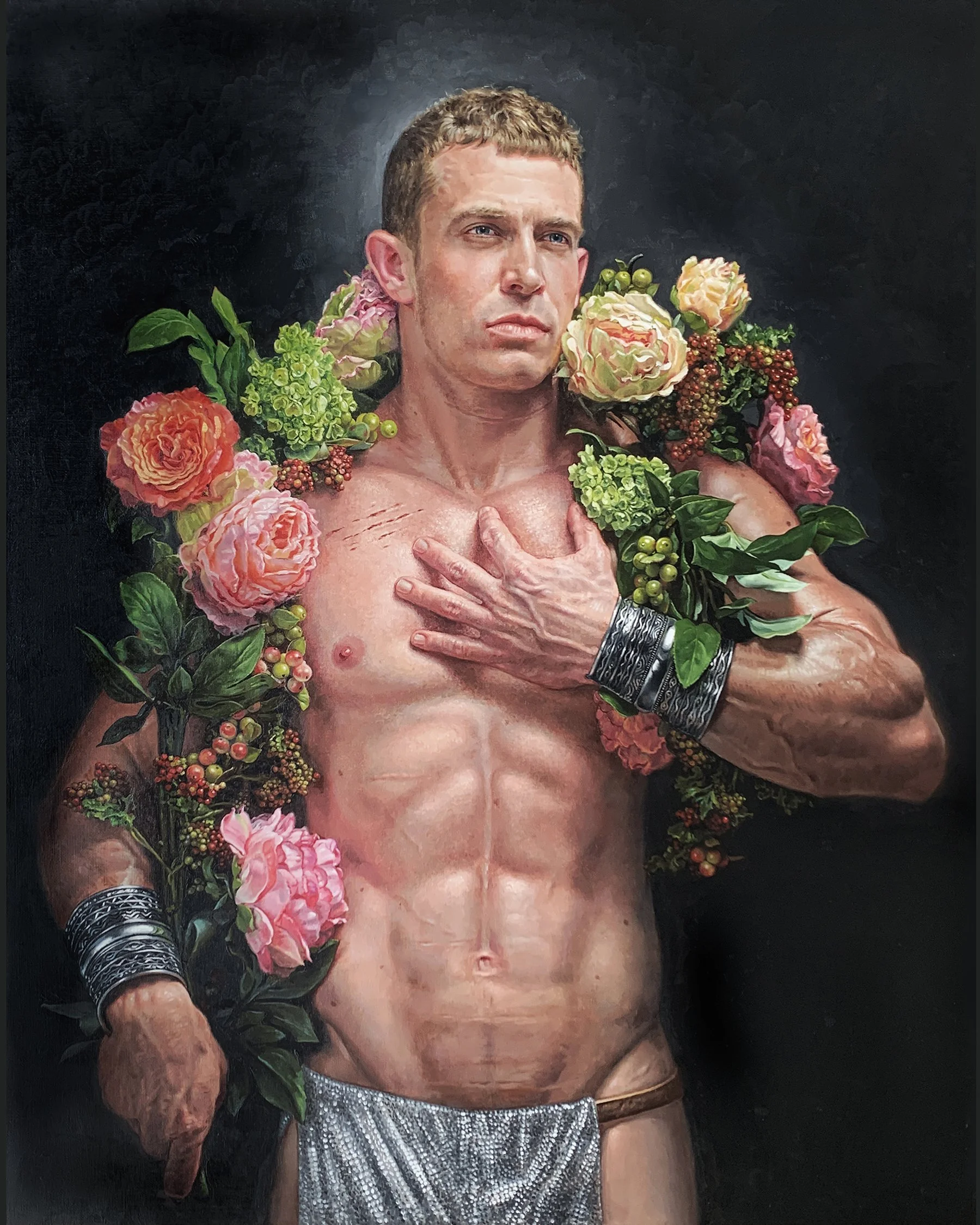
Your current fine art seamlessly weaves themes of classic mythology, sex, religion, and camp (such as your pieces Mars or Hypnos). What draws you to classical iconography, and how do you use it to challenge puritanical or heteronormative lenses?
I’ve always been interested in how different religions are actually very similar in terms of how they share the same recurring narrative themes: deities, immaculate births, death followed by resurrection, etc.These foundational stories reflect common human experiences and are an attempt to explain the physical world.
While exploring this I like to fight the tabu of male nudity that still exists by elevating queer male erotica to the status of high realistic academic art. Adding an element of fun or camp to a classical image of male beauty I hope will engage the viewer’s attention as they try to figure out the narrative. For example In my painting The Judgment of Paris the three goddesses are usually prominently depicted. In my version Paris stands alone with only their lipstick marks left on his body. The script "Love Pains" adds a hint as to the end of the story.
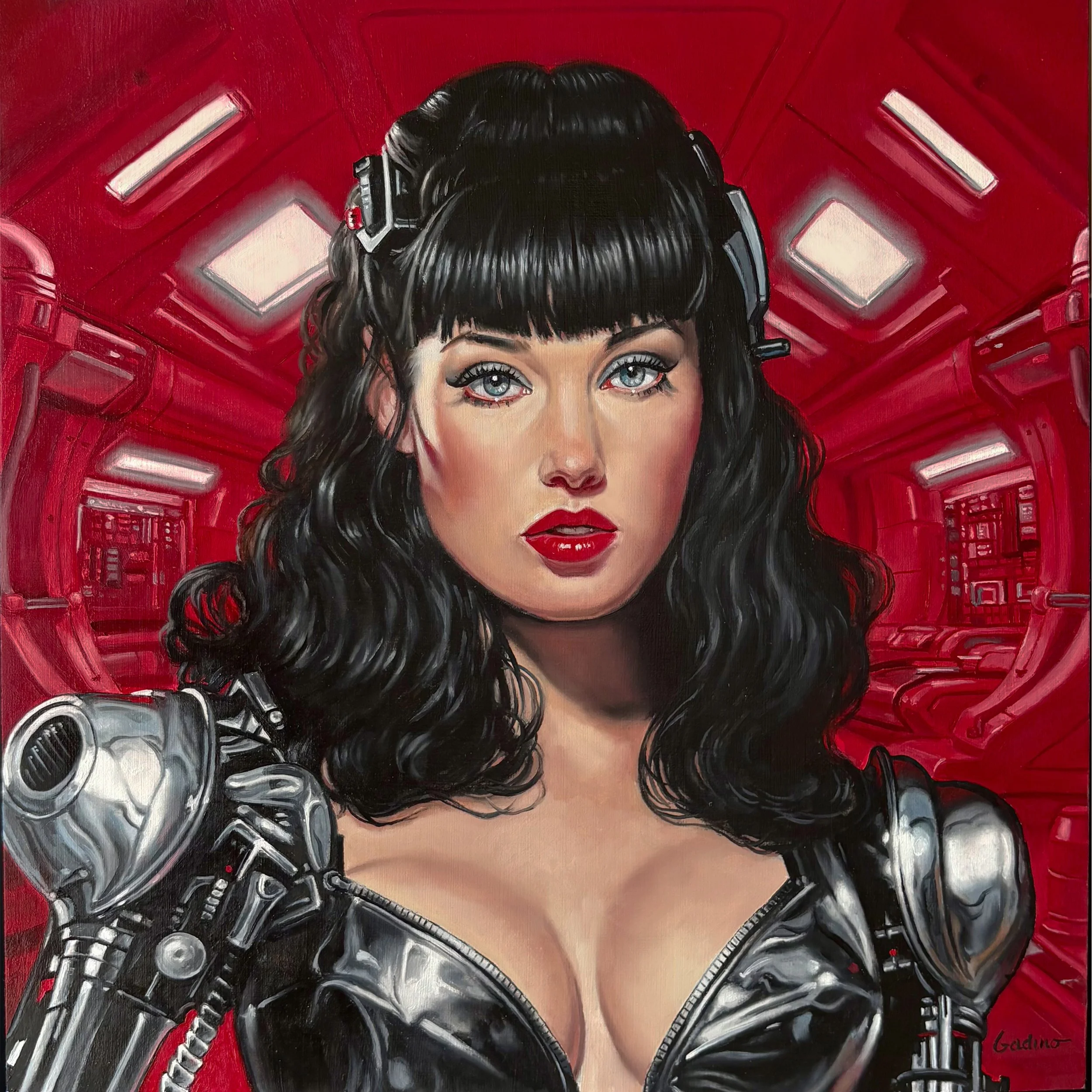
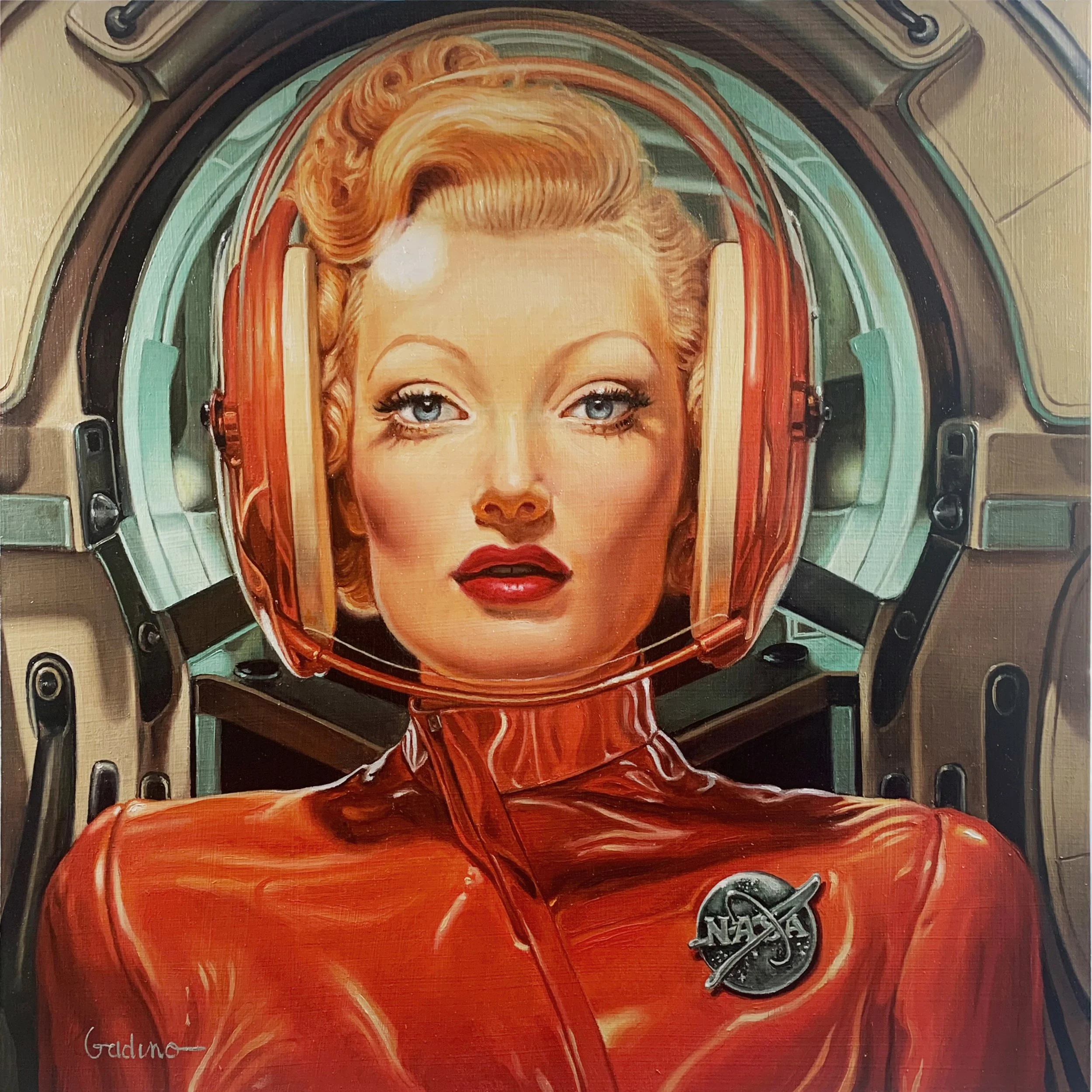
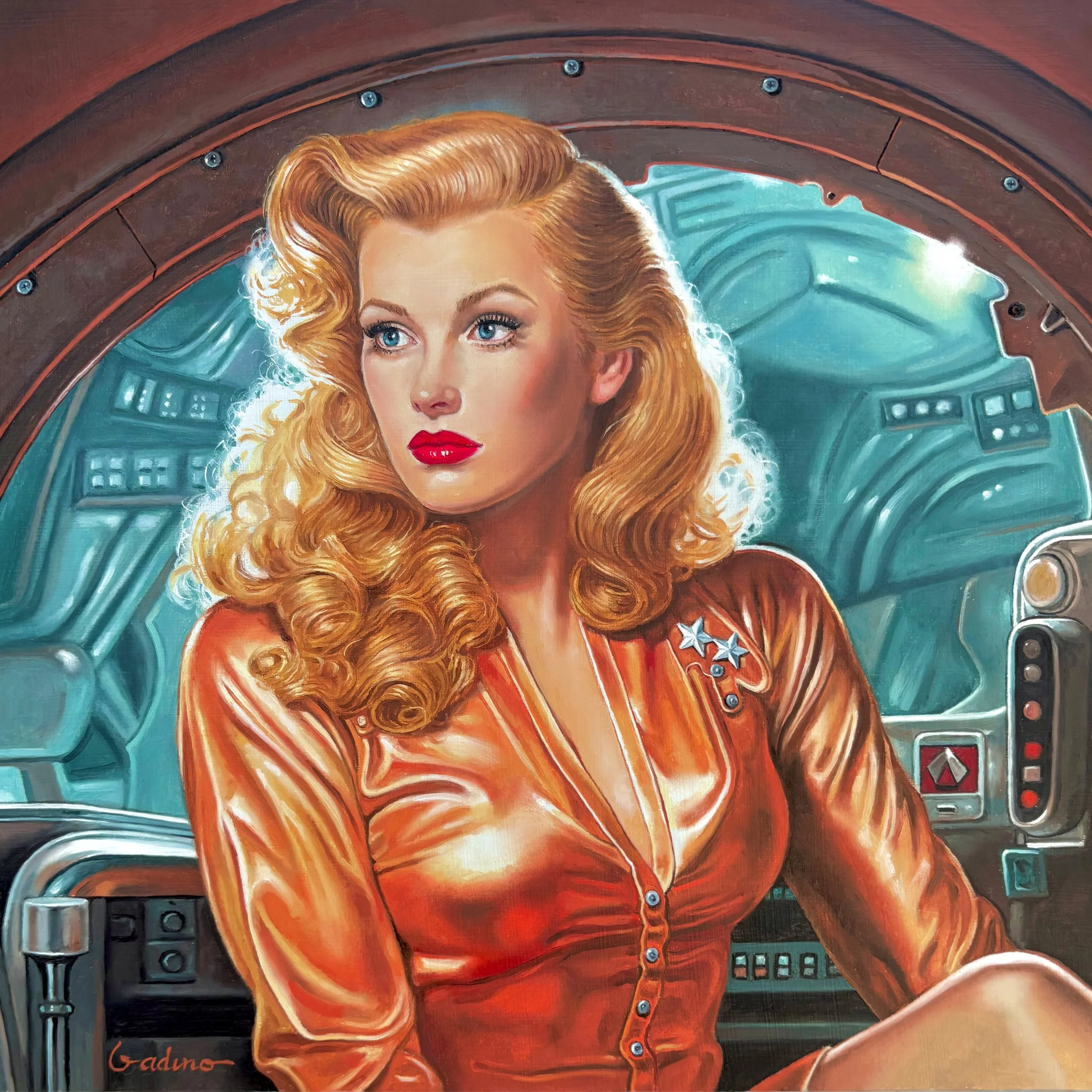
Pieces like Robot Betty-Red Alert and your Retro Glamour Girls in Outer Space series beautifully marry pin-up aesthetic with sci-fi themes. What inspired you to blend vintage Hollywood glamour with futuristic motifs.
As a shy young queer boy I loved "The Million Dollar Movie” TV show that nightly showcased all the old Hollywood glamour movies. They left a strong lasting impression on my sense of style and fantasy. The sets ,costumes, lighting all fascinated me and were a great escape.
Also I always found it interesting to see how past decades imagined what the future would look like.
When I happened to find the 1958 cut classic The Queen From Outer Space staring Zsa Zsa Gabor I was so stimulated I just had to create some retro future glamour girls visions of my own. So I selected actresses from the 40s and 50s but I didn’t want them to be exact portraits. I felt that would be a distraction from the story I was creating.
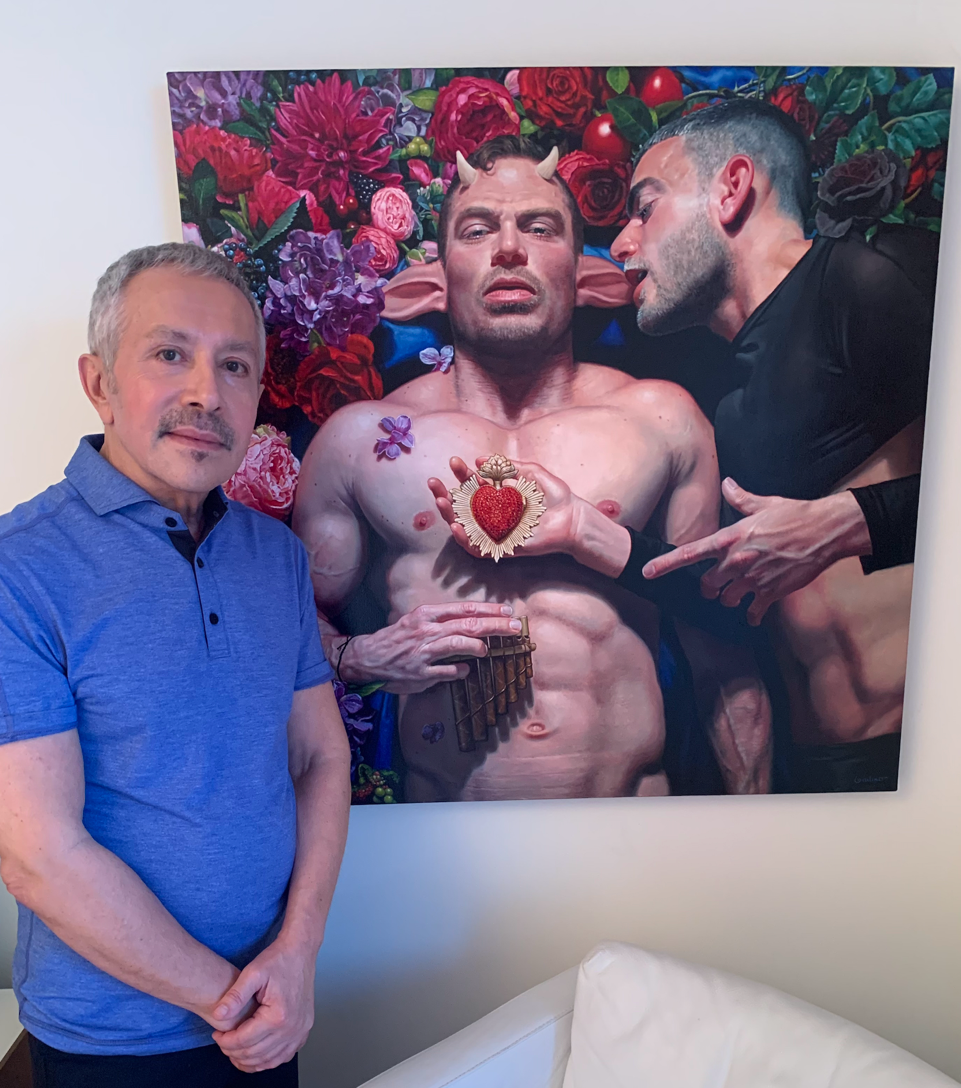
Mythology, sex, religion, transition and camp can all be found in the art of Victor Gadino. He is a New Yorker now living and working in Miami. He is an award winning artist and illustrator who holds an MFA from Pratt Institute. His dramatic figurative oil paintings and pencil drawings reimagine classical themes.
His awards include those from the Art Renewal Center’s Annual International Competition, the Society of Illustrators and the Hollywood Reporter for his creation of prominent movie posters. His work has appeared in the promotion of the top clients of the corporate, publishing and entertainment worlds.
His art has been featured in dozens of publications and can be found in the permanent collection of the Leslie Lohman Museum in NYC and the Museum of Motion Pictures in LA, He has participated in many group and one person shows in New York, New Jersey, Massachusetts, and Florida.
His art can be found in the private collections of George Lucas, Clint Eastwood, Alan Alda, Charles Leslie, Henry Kravis and the Tish family.