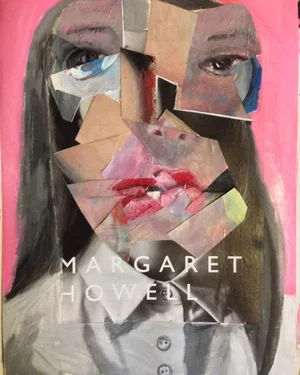
More Notes on Moments of Gesture
Notes on Moments of Gesture
by John Hughes
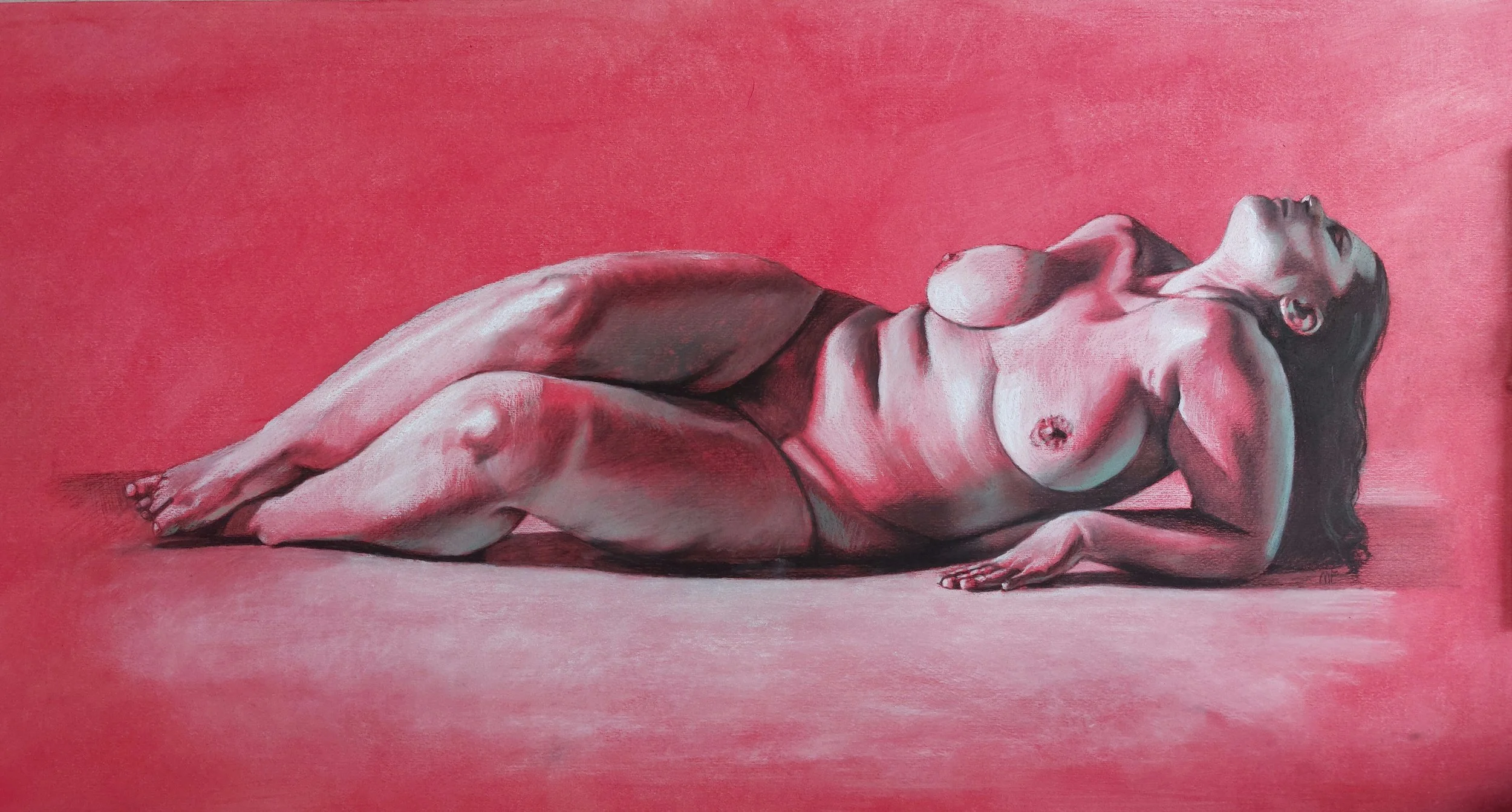
Finally I love myself, 2026
White pastel, green pastel, charcoal on cotton paper tonalized with cadmium red
17 × 30 in | 43.2 × 76.2 cm
The work of many serious painters today—those we might loosely call representational or figurative—is aligned by their common bobbing in the same moment of the day. Alive at the same time, they inevitably survey the same interconnected cultural scenery, the same mortal and existential anxieties, and they seek similar solaces through the unique craft that is making art.
The poet Wallace Stevens once said of poetry that “it must give pleasure,” and that is one criterion here as well. Yes—simple, hedonistic pleasure: the aesthetic appreciation of something too often dismissed or mistrusted, what we call Beauty. We see this first at the most immediate level—in the colors and forms present in these works. The quality of the work one observes when looking up the artists’ names is, in one sense, overwhelming, and in another sense not.
As I confided to Didi after a first perusal: “My gosh, these are serious workers.” The obsession, the diligence, the pursuit of the art—the craft both technical and emotive—is evident everywhere. One can tangibly see how figurative realism has absorbed the lessons of photography, cinema, existential thought, psychology, and hyperrealism. All of these cultural forces are sublimated into the elemental gesture of the brushstroke as it walks the line between intention and something more Delphic—something given.
When I observe one of these paintings—say, a portrait of a face, or a study of the way light passes through a glass marble—it can feel as if the whole of contemporary consciousness is faintly implied within it. These artworks carry an awareness of the observer that is particular to our time. They have absorbed the lessons of abstraction. They are not traditional in any simple sense, yet they clearly derive from very traditional lineages. One can sound very high-minded, even philosophical, writing about these paintings. But one could also say more bluntly: in their various genres and modes, they bring pleasure.
They have no problem being as beautiful or compelling as a page from Vogue or a magazine cover. Yet they move beyond that surface appeal precisely because the abstract mechanics of paint—pigment itself, whether oil, pastel, chalk, crayon, or pen—can at any moment pierce through the illusion of representation and assert itself.
If we look at paintings such as those by Nadia Ferrante, the imagery is clearly inflected by the surrounding culture. The poses feel cinematic, almost photographic. Yet more fundamentally they are crafted out of pigment, manually, by hand and eye. In that sense the painting becomes a reclamation by the organic of the technological. Likewise, in the expressions of the faces, we can faintly detect the traces of personality—each “who they are.” Each time that implied personality leaps forth as unmistakably contemporary, belonging to the present moment.
Even the lines of a face carry the history of countless micro-expressions, sensitive reactions formed within the very situation we ourselves inhabit: the shared condition of being alive together.
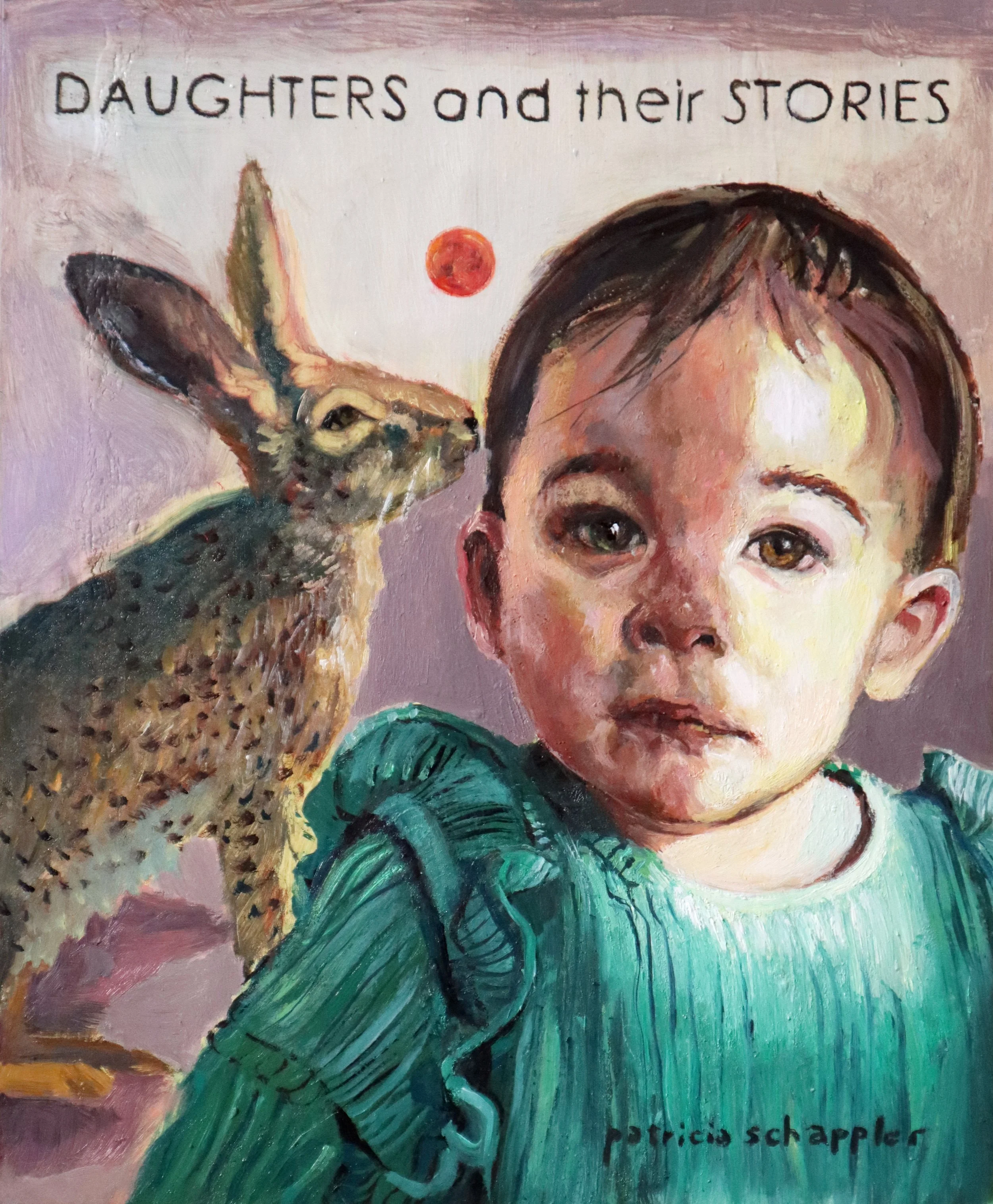
A similar phenomenon appears in paintings such as those by Patricia Schappler. In the expressions of the faces there is something ineffably contemporary. We recognize these people almost unconsciously. That recognition exists entirely because of how the painter has made the face. This is craft in the service of art. It is the art of the possible, even as it hints at transcendence—or immanence (and what is the difference?).
The people are rendered in a style that understands how viewers today live amid a steady diet of media, photographs, images, and shifting valences of light and color. Through the craft of the painter, all of these visual languages are imported, reconstituted, and returned to us. In that process, the painting answers the curiosity of the viewer—their capacity to respond, to feel, to be alive. Good painting calls to life.